Attitudinal Healing Connection, Inc. presents:
ArtEsteem’s 28th Annual Exhibition
Reflections of Me and My World 2026
Love Surrounds Us


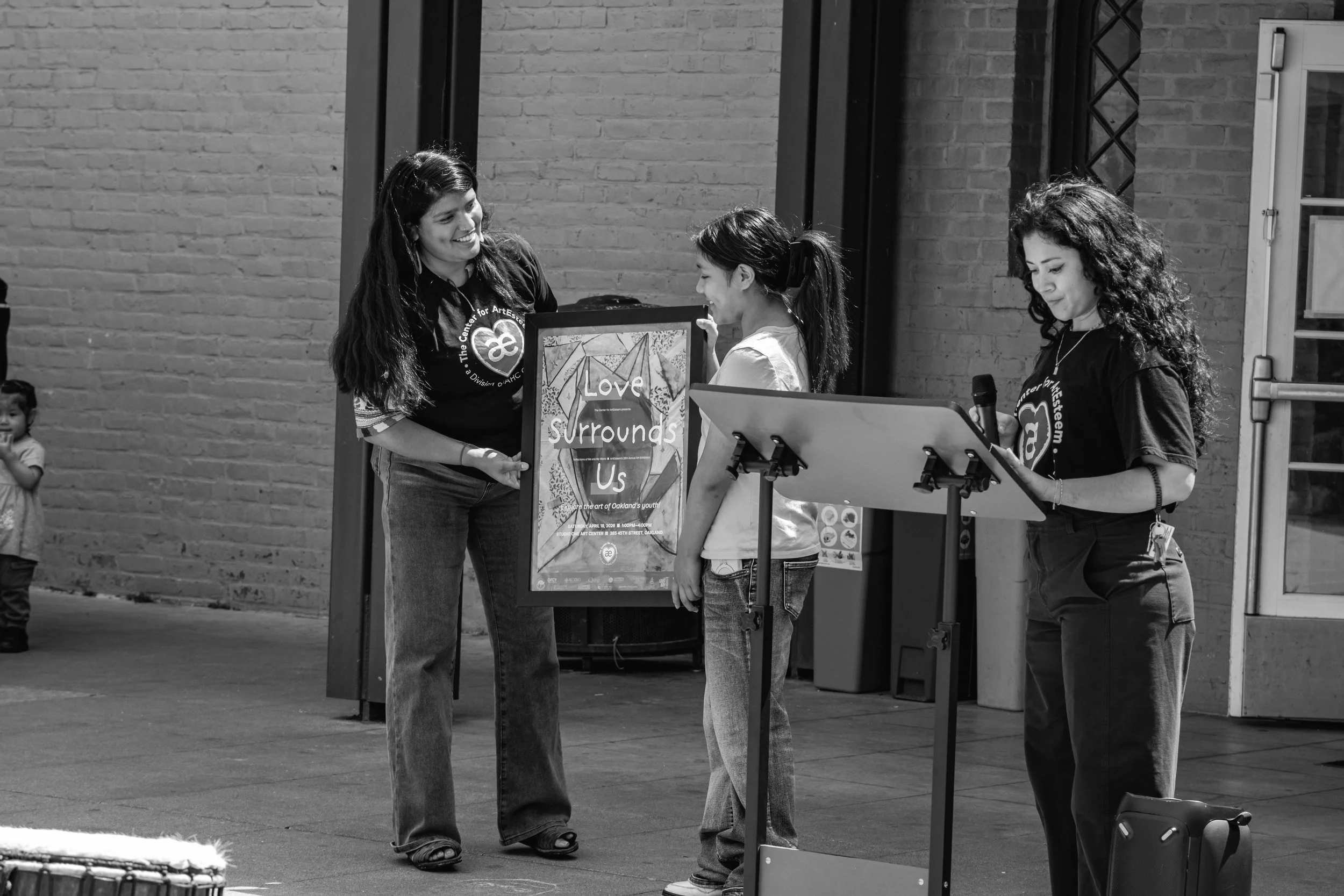


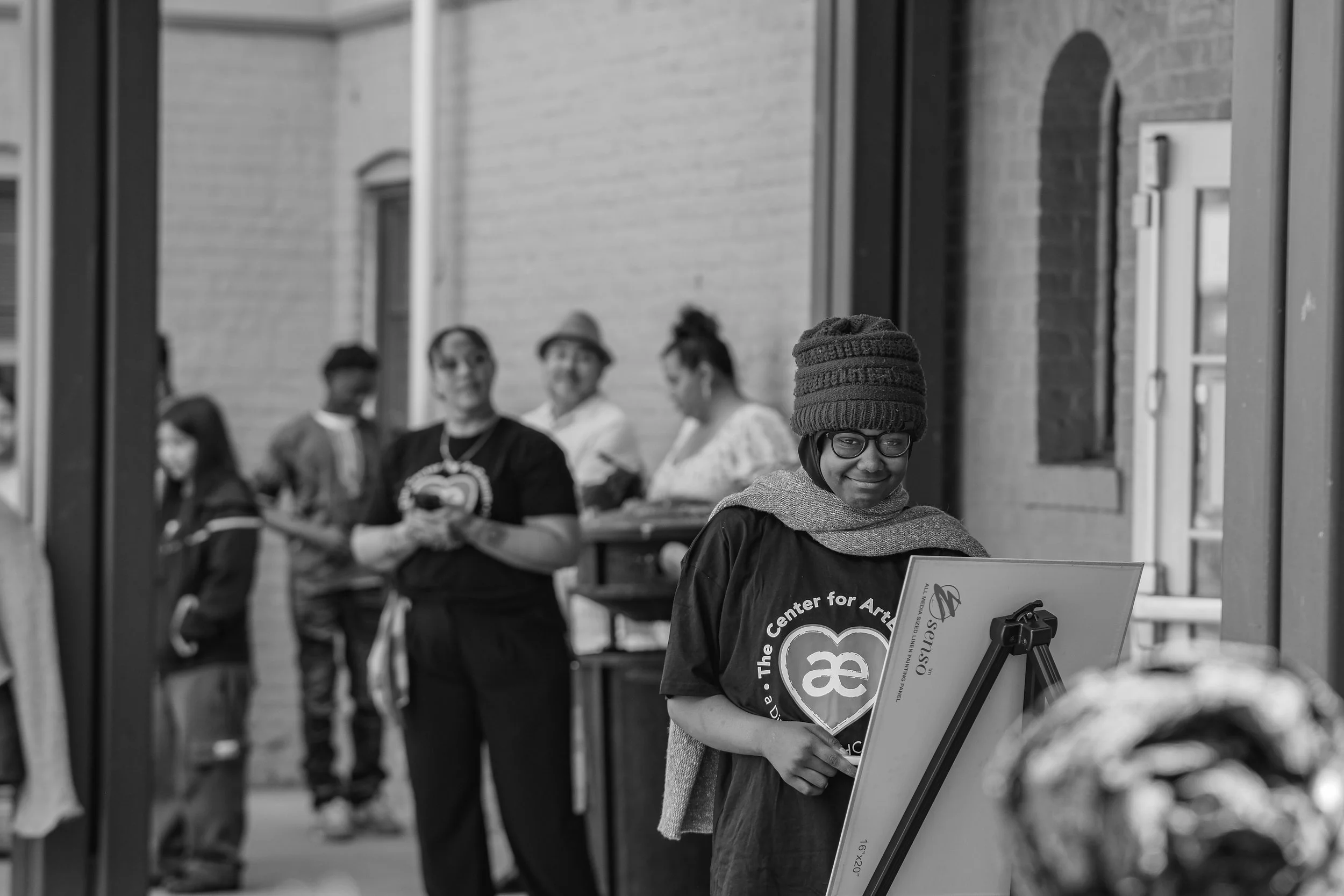
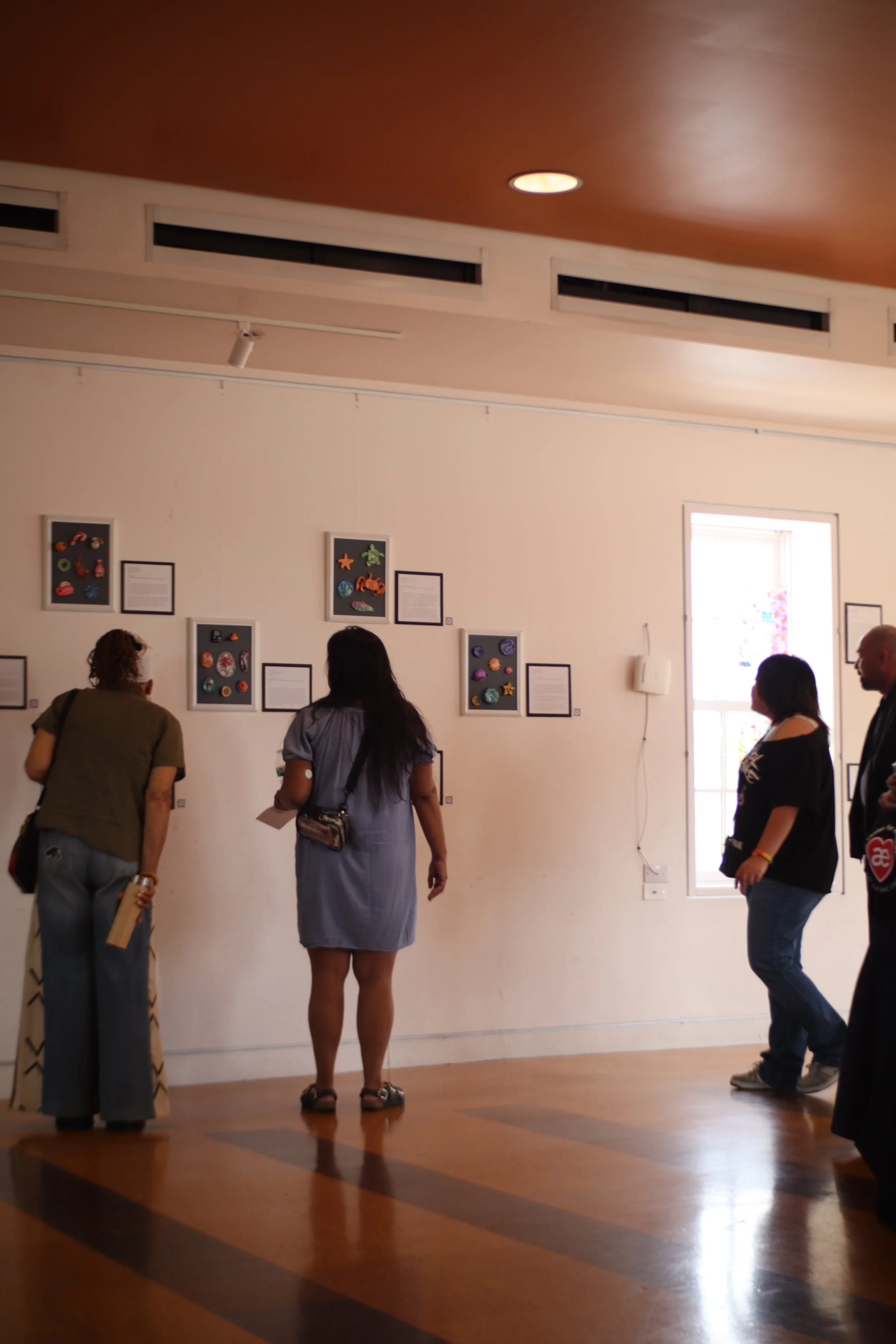


Snapshots from the Exhibition event on Saturday, April 18th.
The 28th Annual ArtEsteem Exhibition on April 18th was a celebration of youth, their creativity, and the mediums they can use to express themselves in our ever-changing world.
Through lessons on topics like the historical and cultural context of Oakland, current events affecting the health and safety of our communities, and environmental justice and sustainability, our ArtEsteem students empower themselves to be the changemakers they want to see in the world.
Allendale Elementary School
Mariana Moreno-Gonzalez - Visual Arts Instructor | Academic Day Program: Special Education | 3rd - 5th Grade
Regulating With Art Play! (2026)
Acrylic Paint | Markers | Tempera Paint | Tempera Sticks | Gesso Primed Cotton Canvas | Watercolor Paper
During this Spring semester, the children at Allendale were encouraged to experience art in a playful manner. We explored the possibilities of tempera paint, from spinning thick and diluted paint in a salad spinner, to scribbling layers with our paint sticks. One child described the salad spinner as “magic.” It was an art portal! They would put one clean white sheet of watercolor paper inside with drops of paint, turn the top handle with their fastest speeds, and open the top to see the spreading flow of pigment left behind. In these moments of art play, the children tuned into their materials with open curiosity. They had autonomy by choosing their color, how many layers of paint they wanted, and how much water to dilute the paint.
The accessibility of the spinners provide sensory, motor, and cognitive benefits, strengthening bilateral coordination and hand-eye coordination. They received the instant feedback of their creations, full of expression! We had a lead designer, Illas, who has such a keen eye for graphic illustrations. He would grab the paint stick or marker and regulate his nervous system by the hand motion of drawing. Using his adorable animal drawings, and combining some of the tempera art play on canvas, we created playful stuffies designed by the children.
Art, much like a stuffie, can be our comfort companion. Creative and playful expressions can give us a sense of belonging, because in these moments, whatever is created is okay! Messes are encouraged, collaborations are possible, and we feel joy because we are having fun with the process. When asked, “How does art make you feel?” Almost every child responded “Happy!” May these pieces provide that same joy to you!


ArtEsteem’s Legacy Project
Gabby Le - Visual Arts Instructor | 8th - 12th Grade
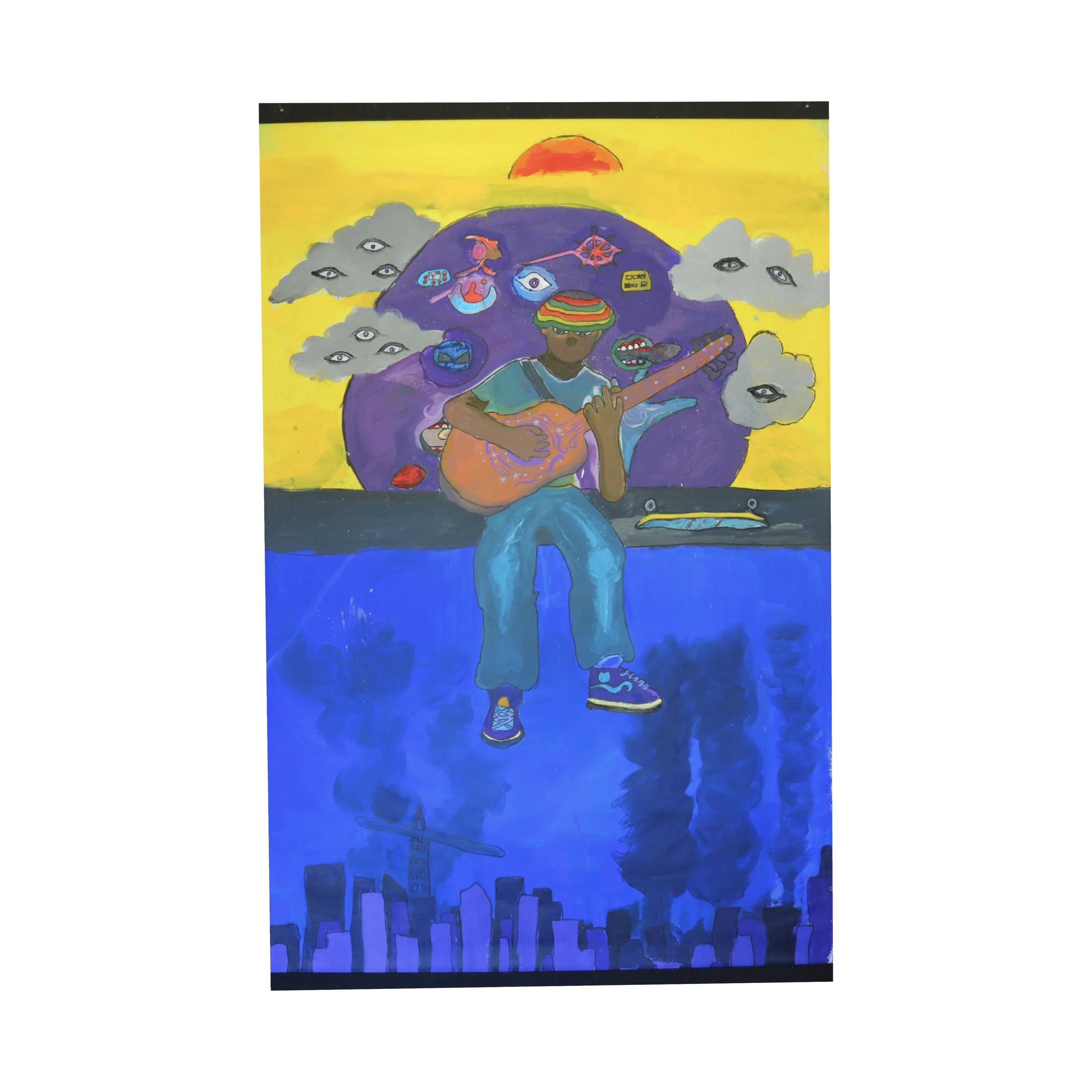
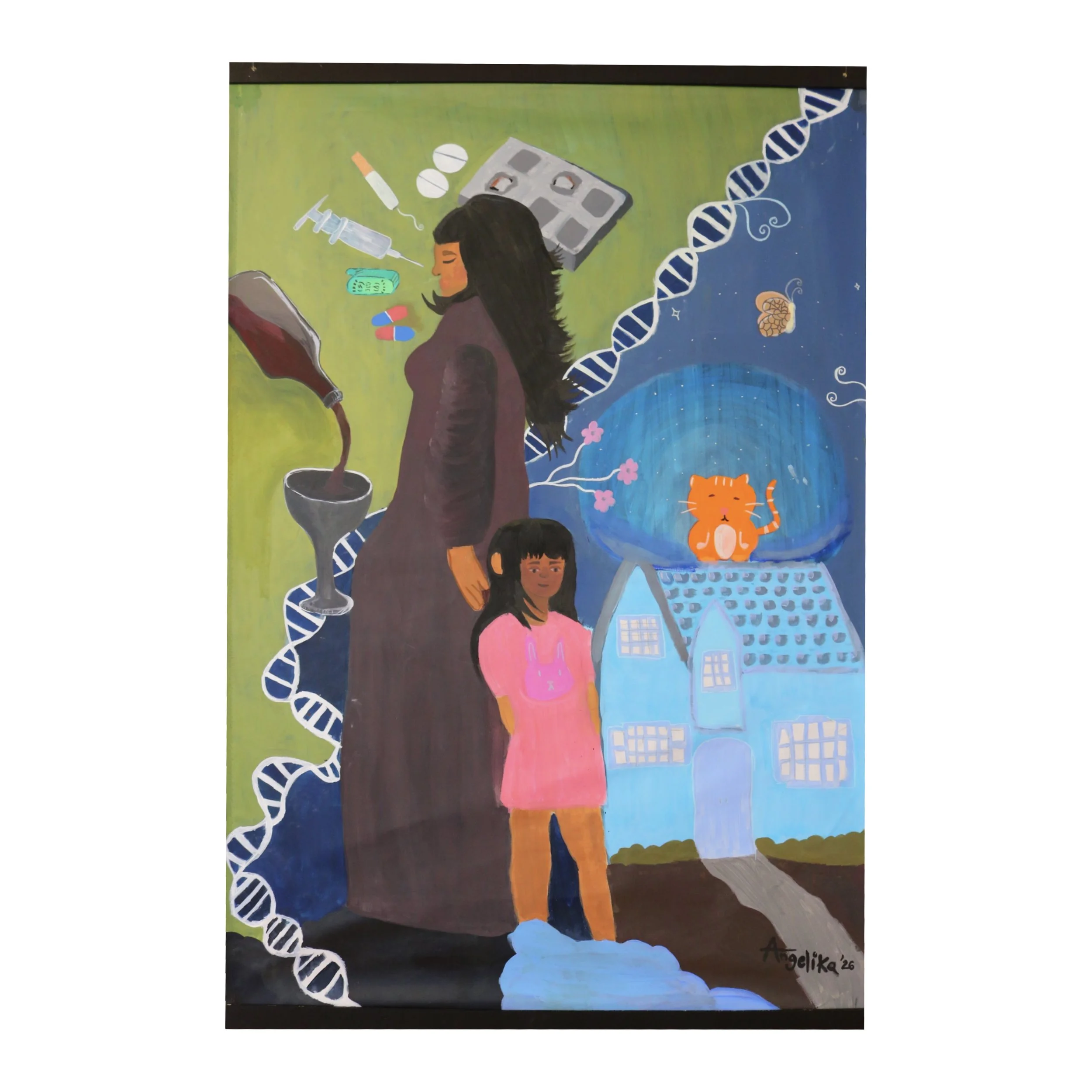
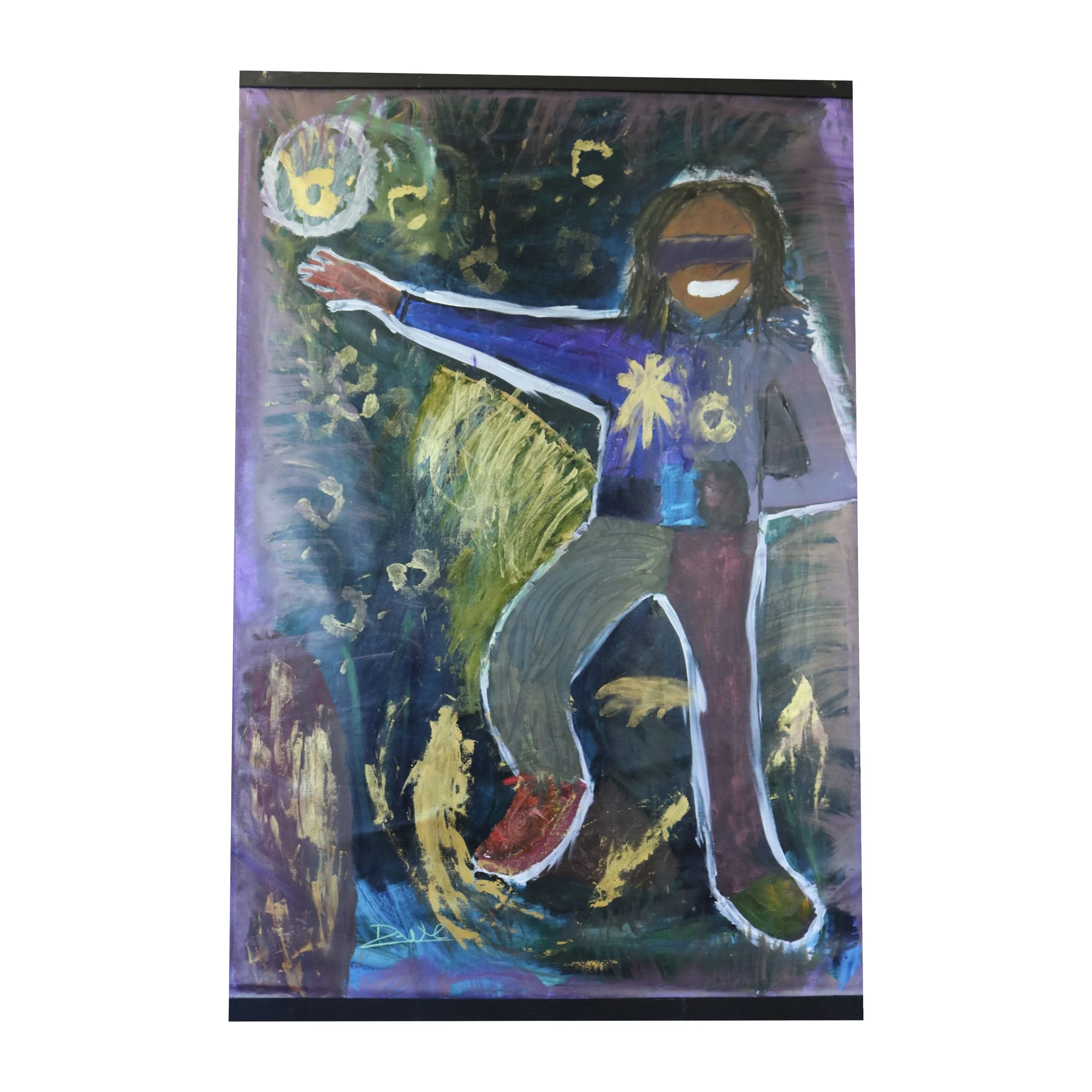
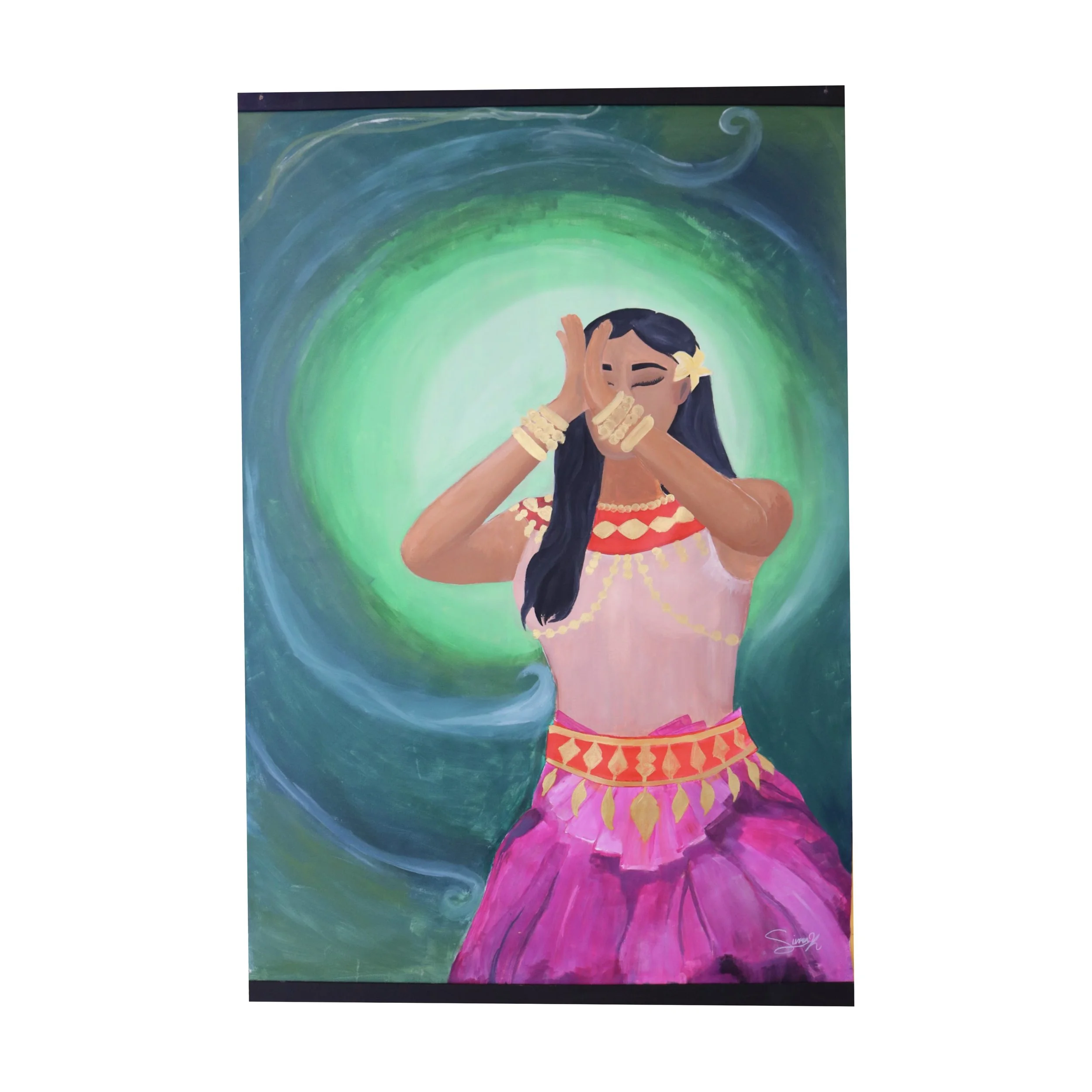
Self As Super Hero: Larger Than Life (2026)
Acrylic | Gessoed Cotton Canvas
This body of work was created as part of the Legacy Project, ArtEsteem’s after school leadership cohort for youth ages 13–18. The program supports students in developing informed, creative voices for social and environmental justice through interdisciplinary learning that includes art-making, urban farming, cultural research, and community engagement. Students work alongside artists, environmentalists, and activists, deepening their connection to land, ancestry, and one another while growing as young visionaries.
Self As Super Hero: Larger Than Life (2026) is inspired by a curriculum developed by ArtEsteem’s Executive Director, Amana Harris, Self as Super Hero: Handbook on Creating the Life-Size Self-Portrait (SASH). The curriculum is grounded in the belief that the heroes we need are those who act with care, courage, and responsibility toward people, the environment, and all living beings.
In this reimagined version of the self, students explore their identities as changemakers, designing superhero figures that embody their values, lived experiences, and visions for a more just and compassionate world. This rendition of SASH, Larger Than Life, is rooted in this year’s course theme, “We are the ones we have been waiting for,” inspired by June Jordan. Students began by reflecting on issues that need care in their communities. Through writing, discussion, and visual exploration, they identified personal, local, and global concerns that informed the development of their superhero concepts. Each character functions as a form of self-portraiture, representing both imagined power and real-world purpose.
As a teaching artist, this project is deeply personal to me. Storytelling and character creation were not just creative outlets in my own childhood, they were lifelines. The characters I loved most were not perfect heroes, but those who had enough heart to imagine a better world and the courage to try to change it. That belief continues to shape how I approach teaching: inviting students to see themselves not only as artists, but as authors of possibility.
Students developed their figures through gesture drawing exercises, learning to capture movement, energy, and emotion using line of action, dynamic pose, and expressive mark-making. They refined their concepts through peer critique, collaborative discussion, and planning processes that included color palette development, background design, and written artist statements articulating their intentions. The transition from concept to final work involved transferring drawings onto 6ft by 4ft canvases using projection. This process introduced students to scale, proportion, and collaborative studio practices as they worked in teams to accurately trace and prepare their compositions.
Students then engaged deeply in the painting process, learning foundational color theory and developing technical skills in acrylic painting. Instruction focused on mixing a wide range of skin tones, creating cohesive color palettes, and applying base layers through skin tone washes and background washes. Students experimented with multiple paint types, including Blick and Golden acrylics, Nova Color paints, and eggshell tempera, exploring differences in pigment, opacity, and texture. This phase emphasized both technical growth and creative risk-taking, as students made decisions about detail, contrast, and visual impact.
These works ask us to consider what it means to be a hero now. In claiming themselves as superheroes, students are not escaping reality, they are reimagining it. They remind us that transformation begins with the courage to see ourselves as capable of shaping the world we inherit, and the responsibility to do so with intention, empathy, and heart.




Community School for Creative Education
Cristina Delgado - Visual Arts Instructor | Extended Day Program | TK-2nd grade
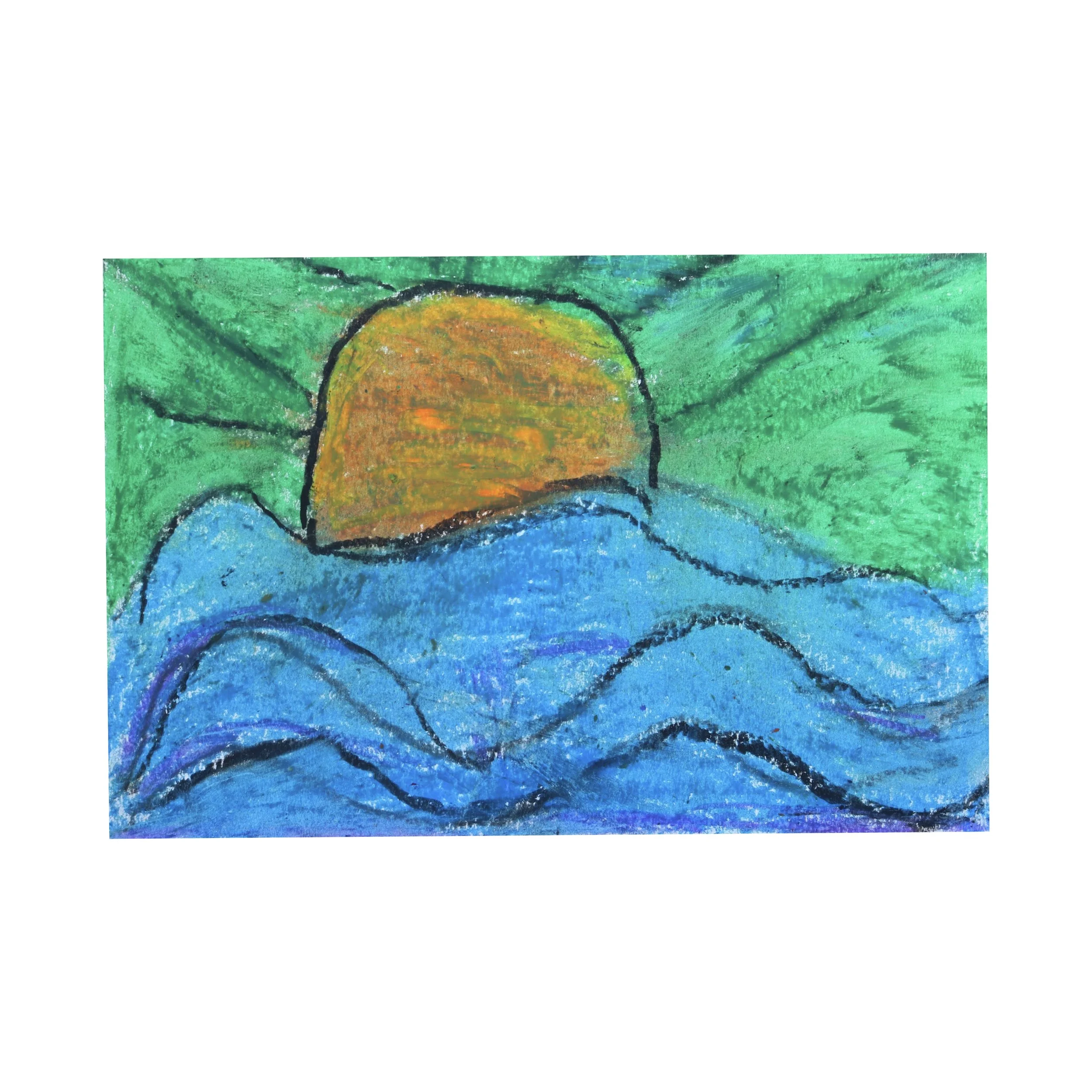
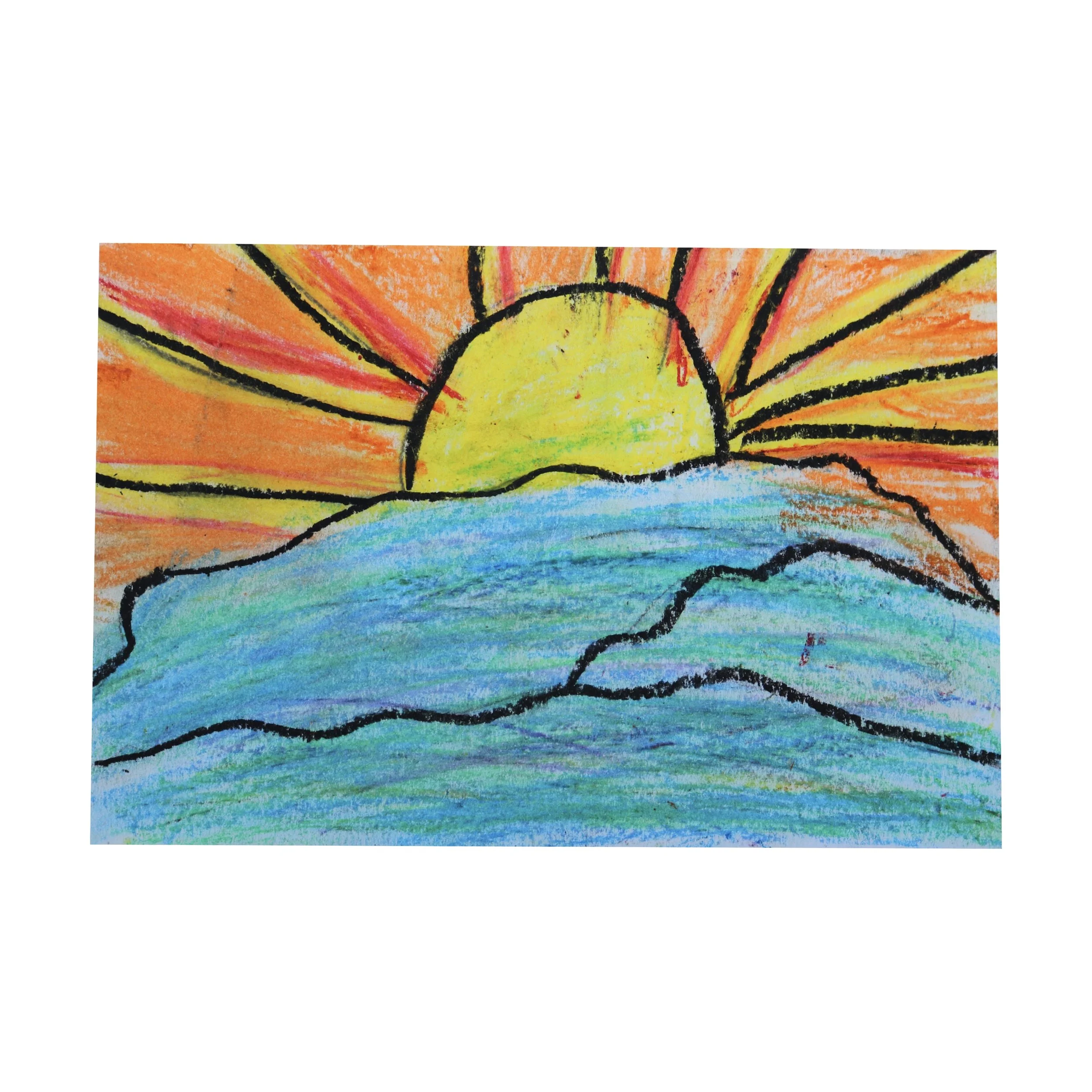
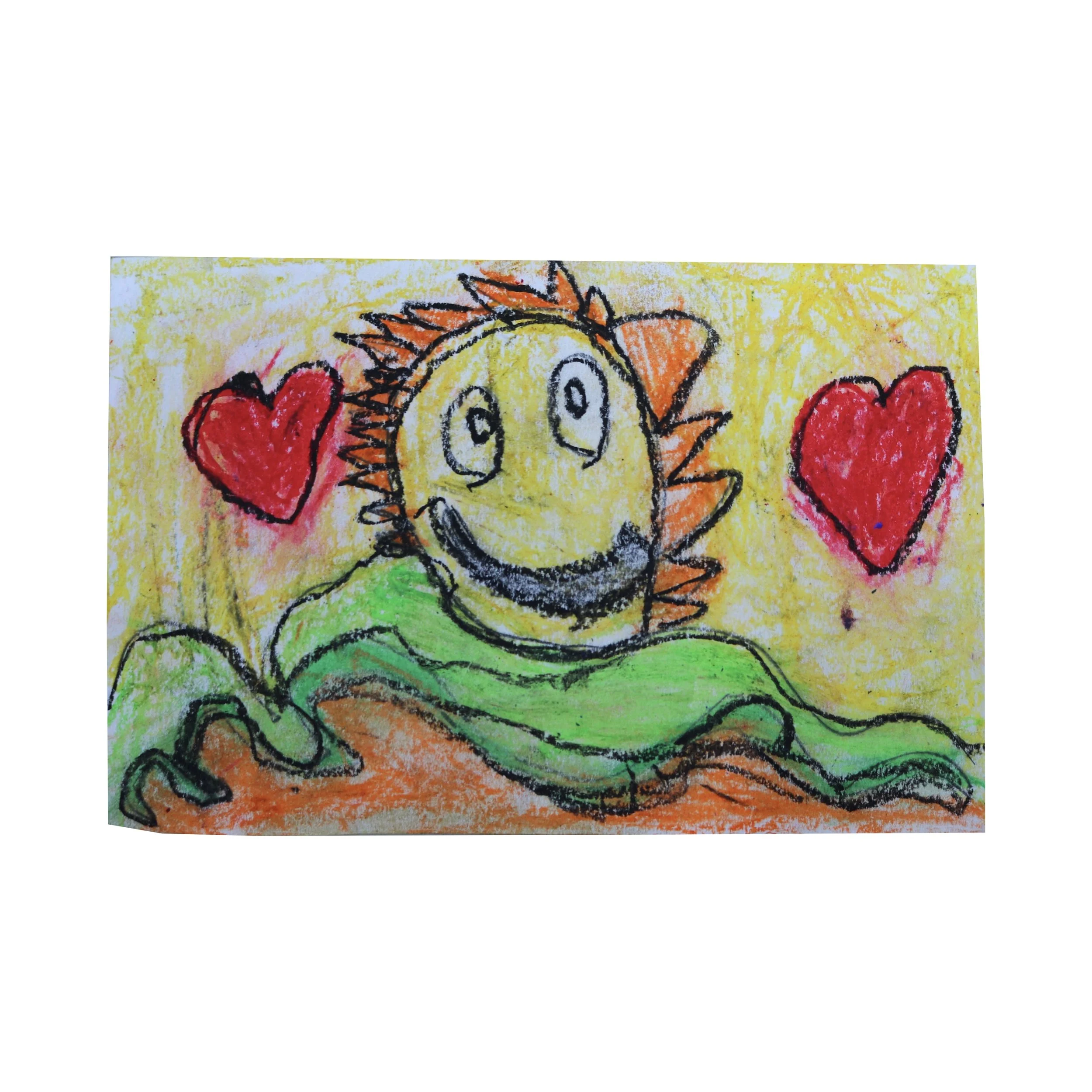
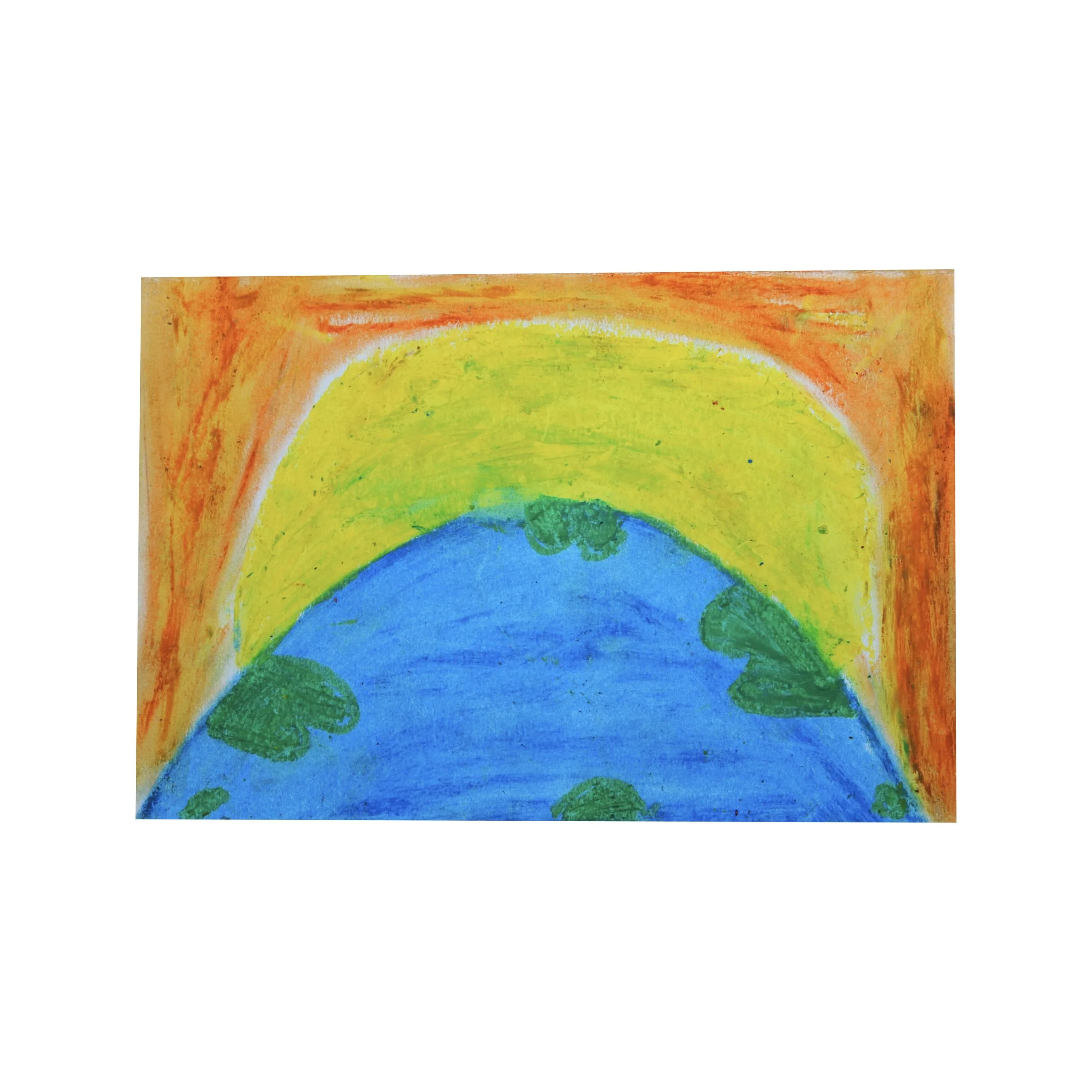
Warm Suns, Cool Waters (2026)
Oil Pastels | Watercolor Paper
Our TK-2nd grade students at CSCE explored the beauty of our world through color, and hands-on art-making. In this project, students worked on watercolor paper with oil pastel and created original compositions that captured the warm glow of sunrises and sunsets alongside the cool, calming tones of water. This project served as a meaningful introduction to color theory. Students learned to distinguish between warm colors—the reds, orange, and yellows—and cool colors—the blues, greens, and purple. Through conversation and observation we explored how these colors appear in nature every day and encouraged students to look more closely at the world around them and see it through an artistic lens.
Students practiced two foundational skills: blending oil pastels to create smooth color transitions and gentle gradients, and outlining their artwork to define shapes and add contrast and clarity to their compositions. Since oil pastels require control, pressure, and careful hand movements, this project was also a great opportunity to strengthen fine motor skills, which is an important area of development for our youngest artists. This was a multi-step project that invited students to slow down, be patient, and build their artwork layer by layer.


Angelique Ibarra - Visual Arts Instructor | Extended Day Program | 1st - 2nd Grade
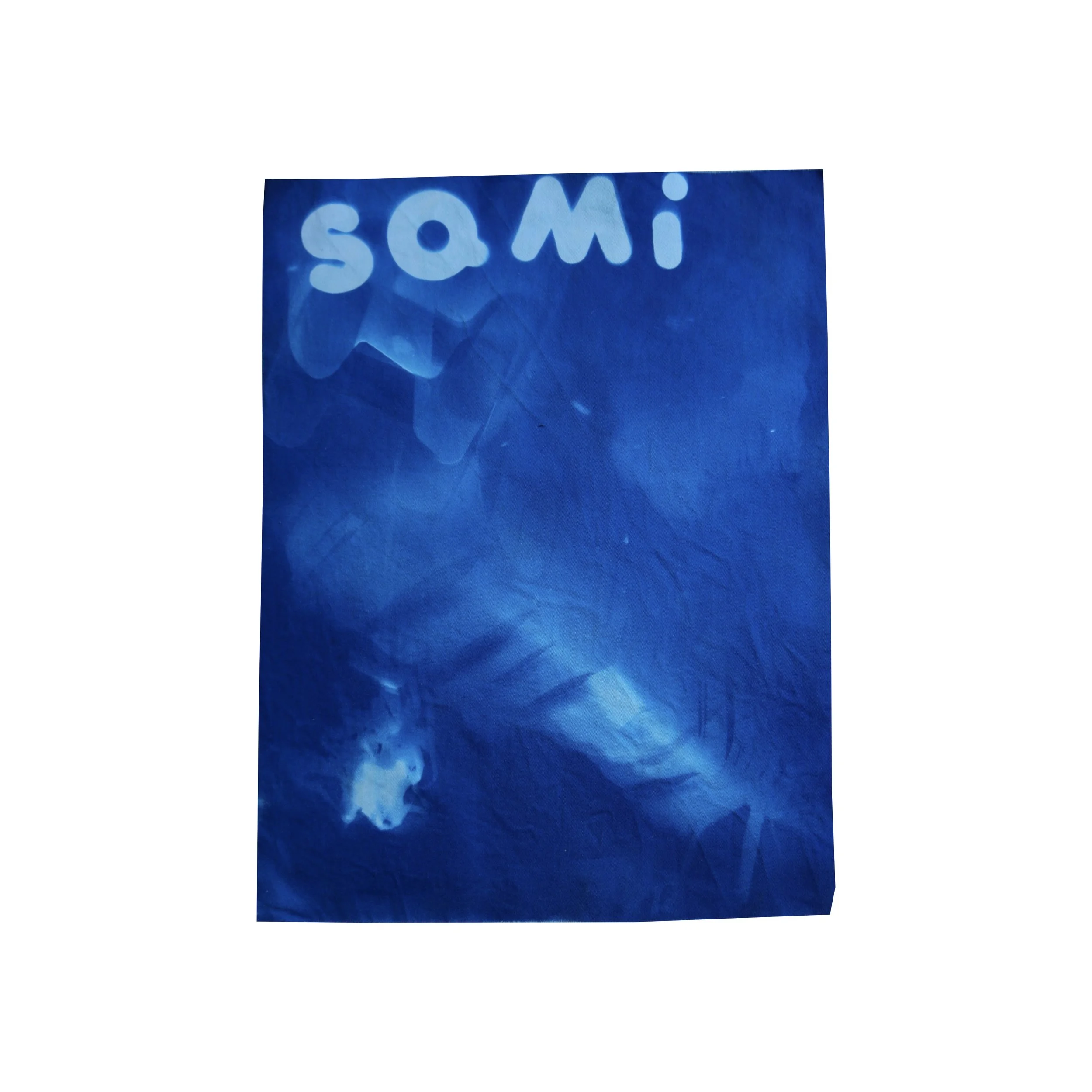
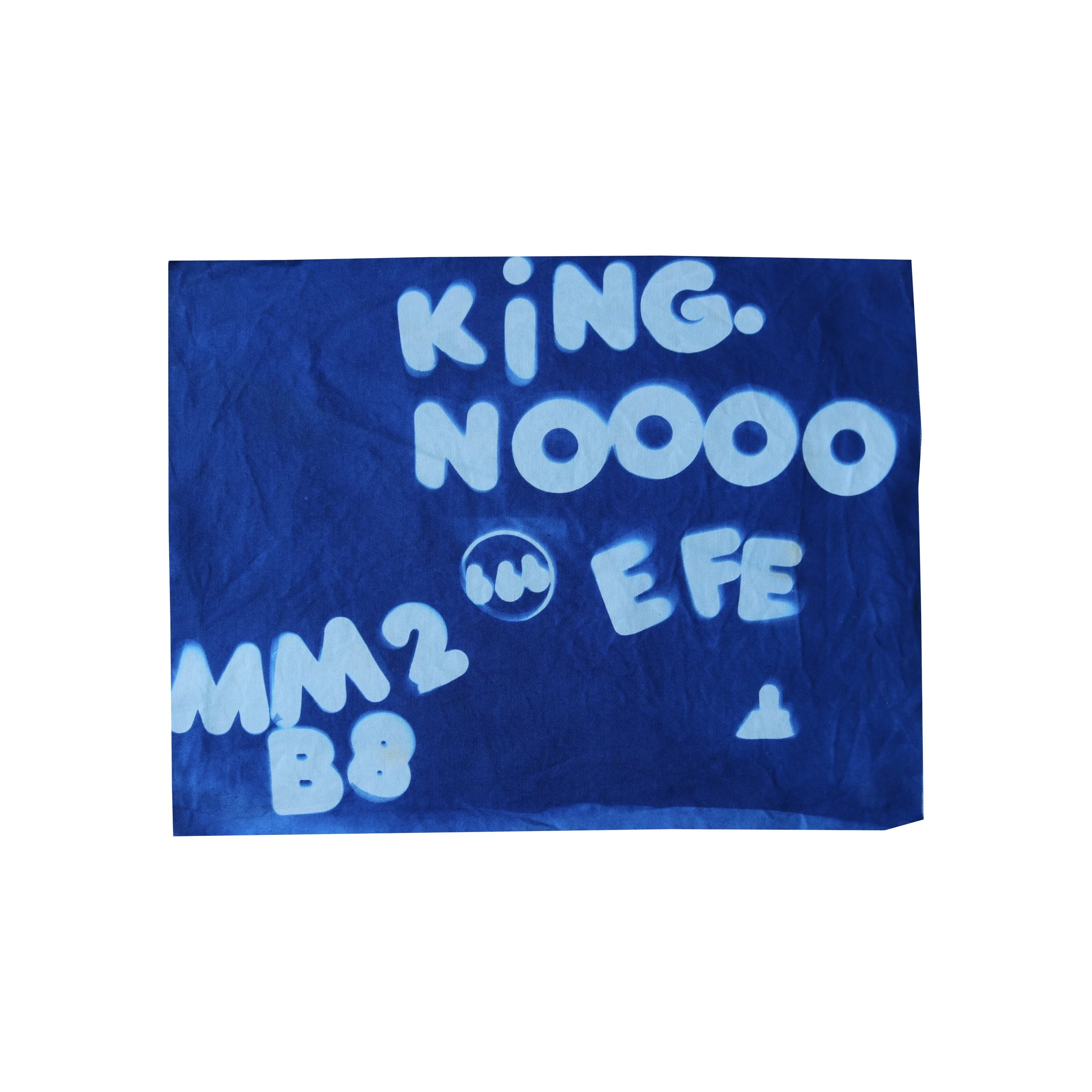
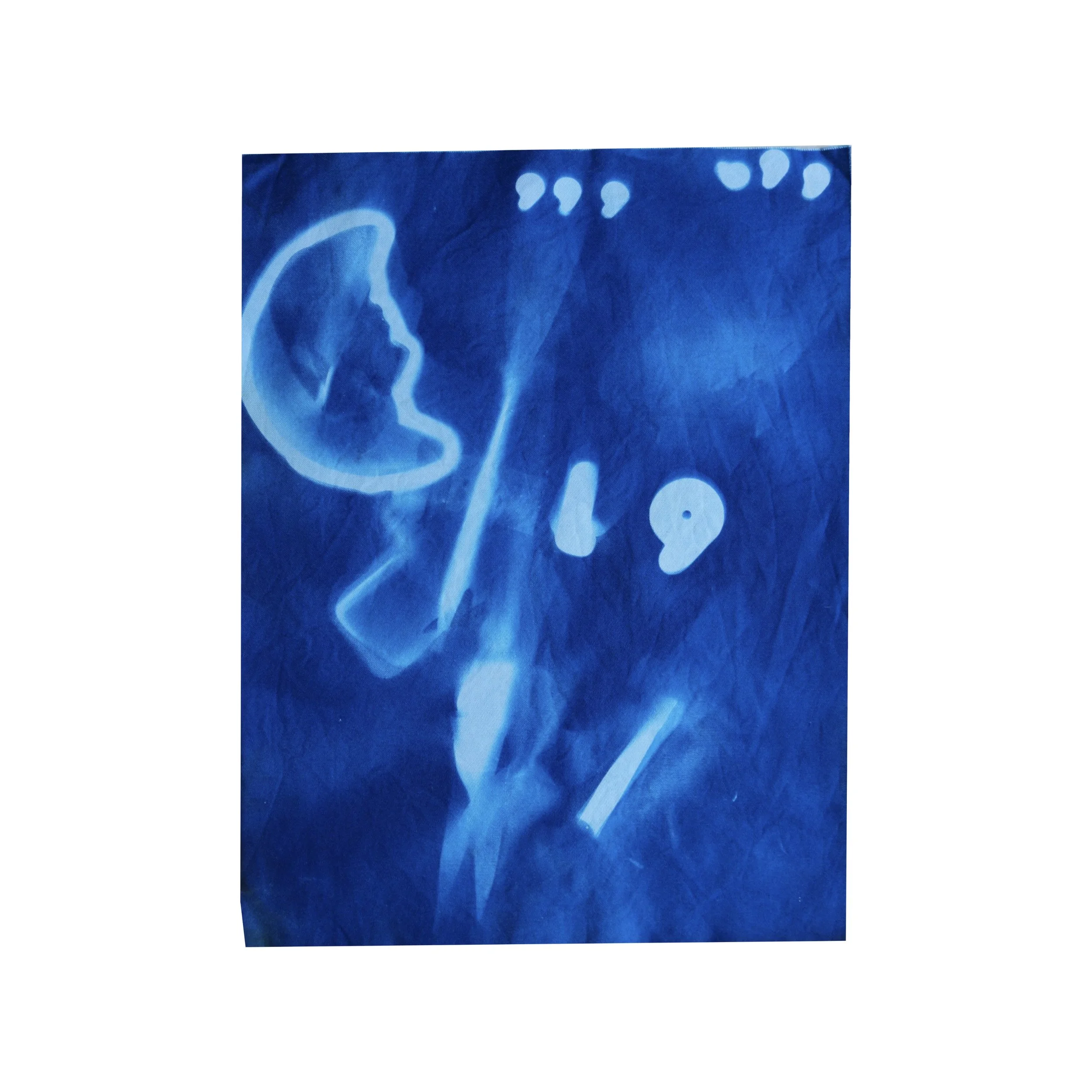
Printing with Sunshine (2026)
Found Objects | Jacquard Cyanotype Fabric Sheets
Cyanotype printmaking is an early photography and printmaking process that uses special light-sensitive chemicals and sunlight to create images in beautiful shades of blue. Artists place objects like leaves, flowers, or cut-out shapes on coated paper and then expose them to sunlight. The areas touched by light turn blue, while the regions covered stay white, creating a bold silhouette image. Once washed with water, the print becomes permanent, revealing a bright blue artwork that looks like a magical sun-made photo. It is also considered environmentally friendly because it uses non-toxic chemistry, natural sunlight instead of electricity-heavy equipment, and only requires water to develop the print, making it a gentle and low-impact art process.
This Extended Day Program class at CSCE made connections between art and science, learned the basic cyanotype printing process, explored how sunlight affects treated paper, used composition and placement to create images, experimented with natural and found objects, and understood positive and negative space. Cyanotype printing is a practice of patience, observation, and reflection, and they demonstrated that with each step of this final project.


Angelique Ibarra - Visual Arts Instructor | Extended Day Program | 1st - 2nd Grade
Metamorphosis Mobile (2026)
Air Dry Clay | Wire | Beads | Embroidery Floss
Inspired by Alexander Calder’s mobiles and those that hang over cribs, CSCE’s first through second grade class worked on creating the components that hang from these pieces. These students are transitioning from early childhood to middle childhood.
This project aimed to build their fine motor skills and allow children to experiment (and fail!) in a safe environment.

Cristina Delgado - Visual Arts Instructor | Extended Day Program | 3rd-5th grade
Lunar New Year Alma Stripes (2026)
Construction Paper | Paint Markers | Rulers
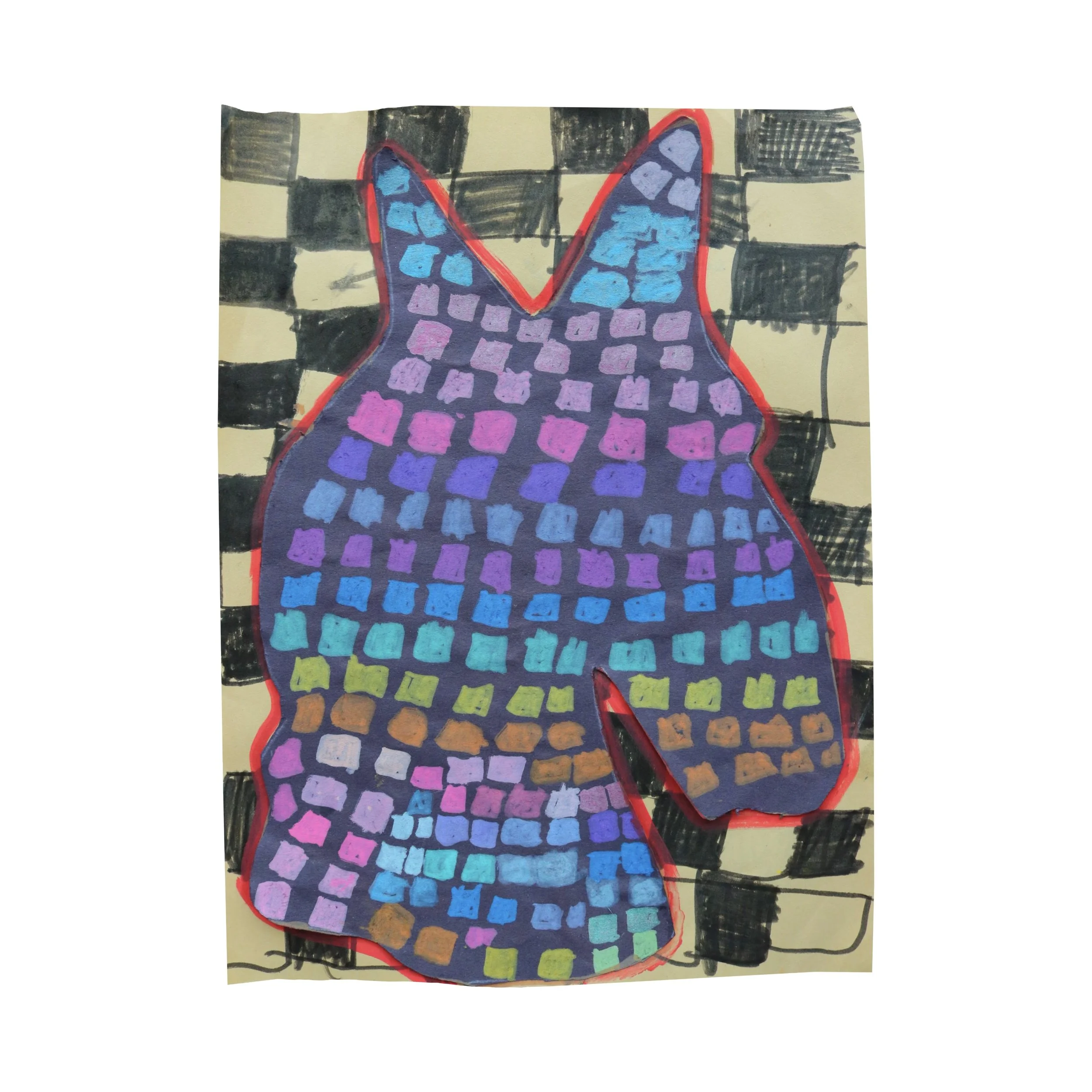
Our 3rd through 5th grade students at CSCE explored the intersection of cultural heritage and artistic technique by creating painted horse compositions inspired by the Lunar New Year’s Year of the Horse. Using construction paper and paint markers, students applied the Alma Thomas stripe technique to recreate vibrant mosaic patterns across a horse template. This project served a dual purpose: honoring the traditions of the Lunar New Year while also celebrating the legacy of Alma Thomas. Through this project, students practiced key elements of art, including color, line, and pattern and applied them intentionally to their artwork.



Cristina Delgado - Visual Arts Instructor | Extended Day Program | 3rd-5th grade
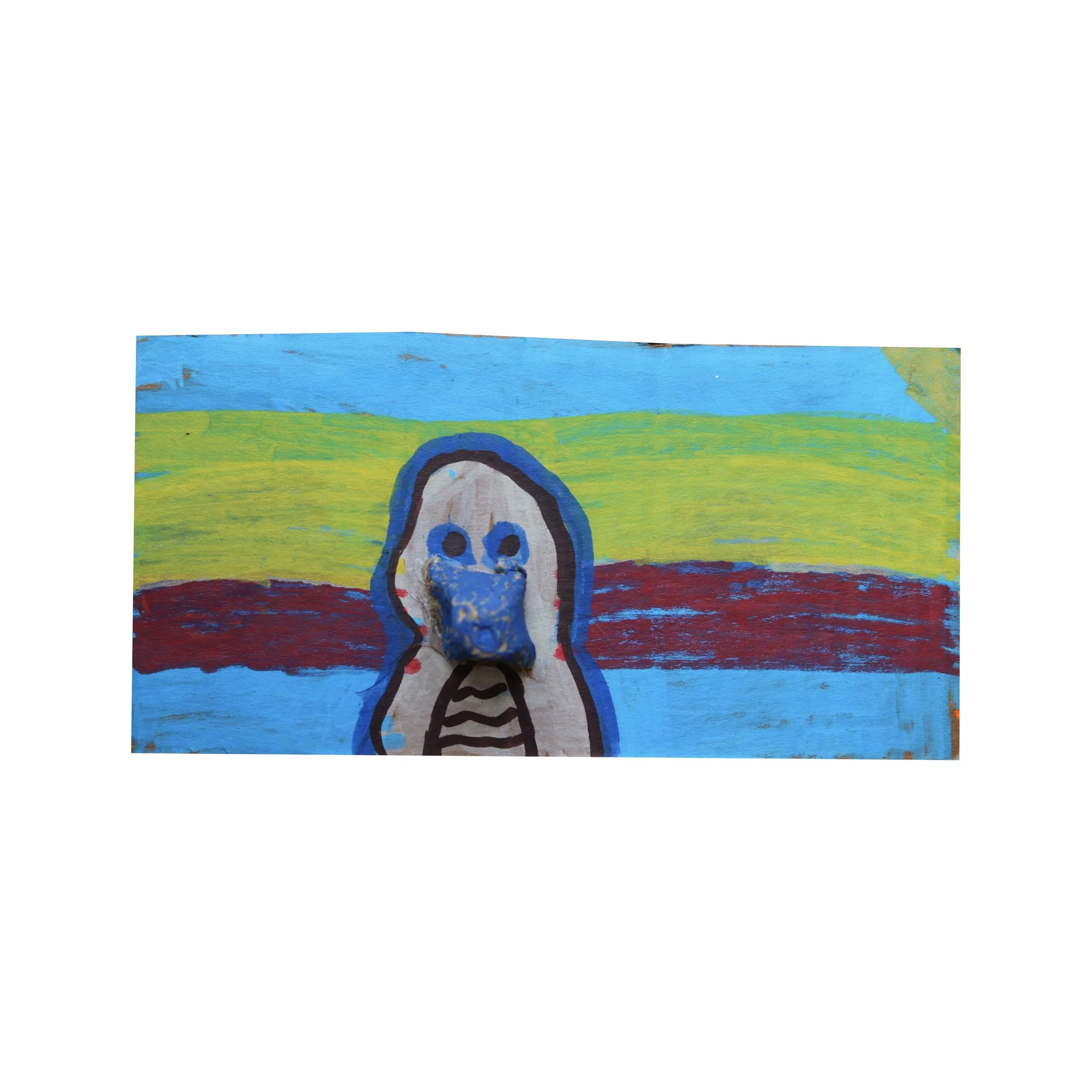
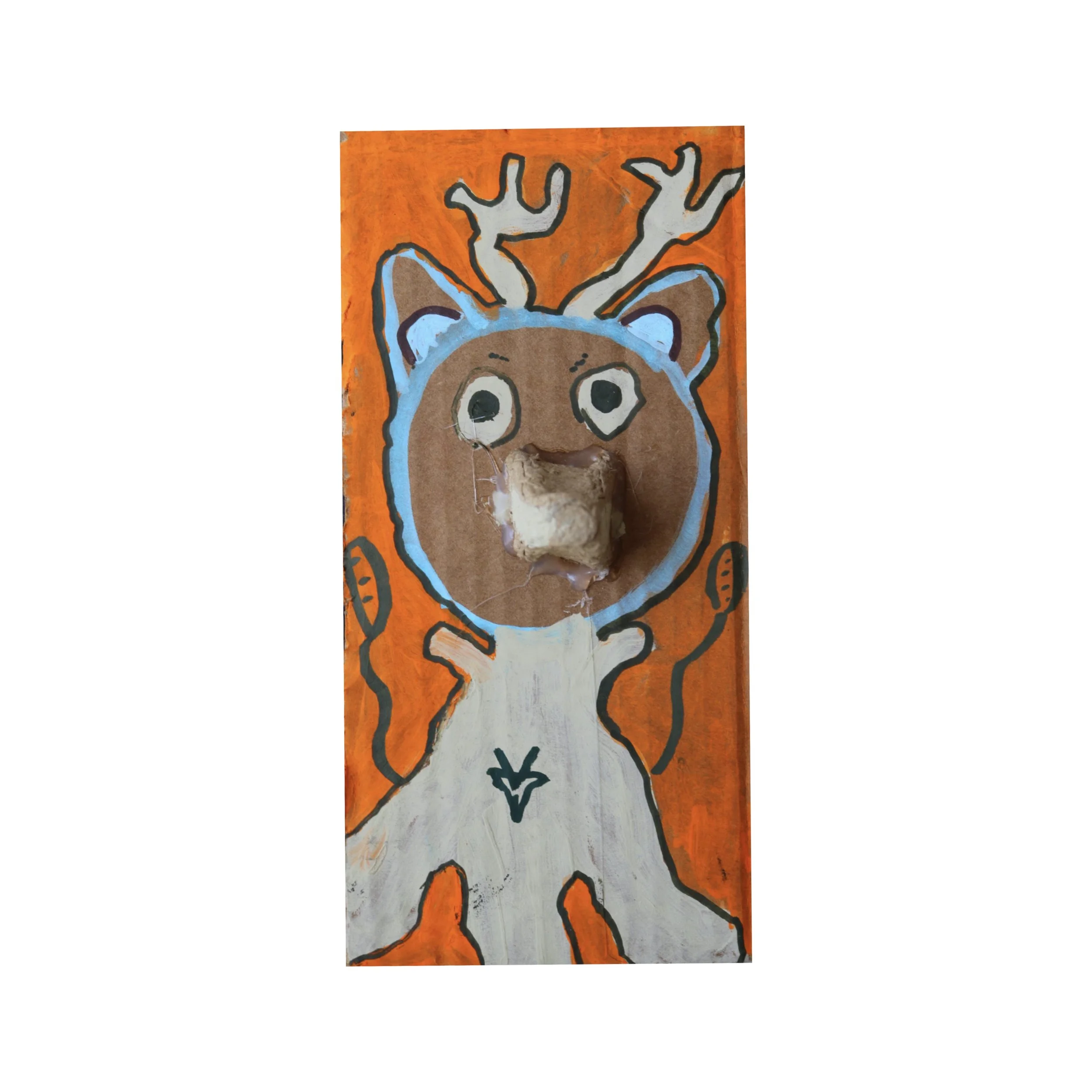
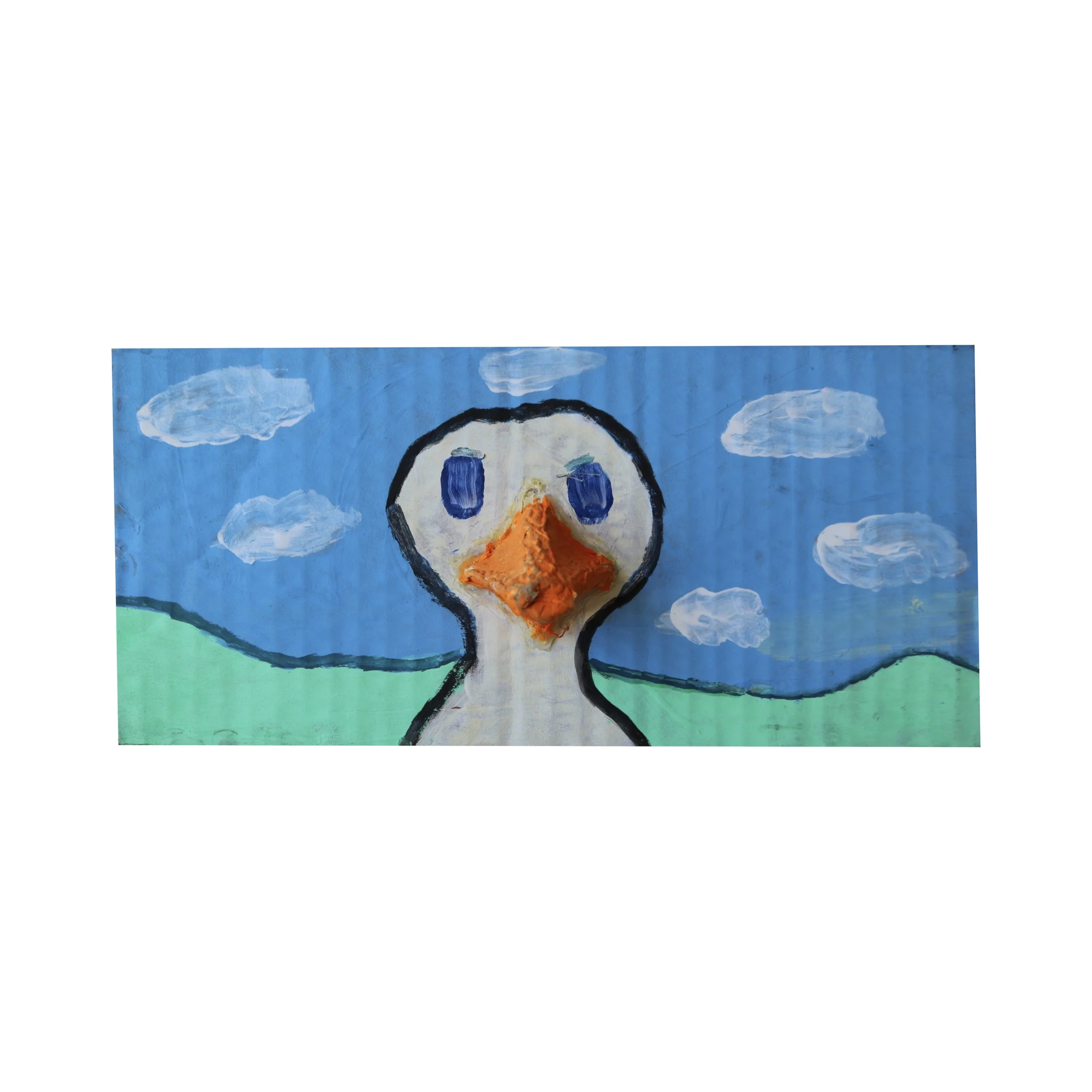
From Trash to Treasure: Eggstraordinary Creatures (2026)
Cardboard | Paint Markers | Egg Carton
In this project, students channeled their imaginations to design and build their own creatures using egg cartons mounted on cardboard backgrounds. Beyond the creativity involved, this project introduced students to the principles of environmental justice and the practice of repurposing everyday materials rather than discarding them. Students discovered that art making can be an act of stewardship, that something ordinary and disposable can become something extraordinary. As they construct and design their own creatures, they continue to engage with the elements of art by applying texture, shape, form, and color.
In these two projects, students got to actively participate in artwork that values cultural awareness, historical knowledge, and care for our environment. Students not only developed technical and artistic skills and vocabulary, but also grew as thinkers who understand that art carries meaning about who we are, whose stories we honor, and how we treat the world around us.

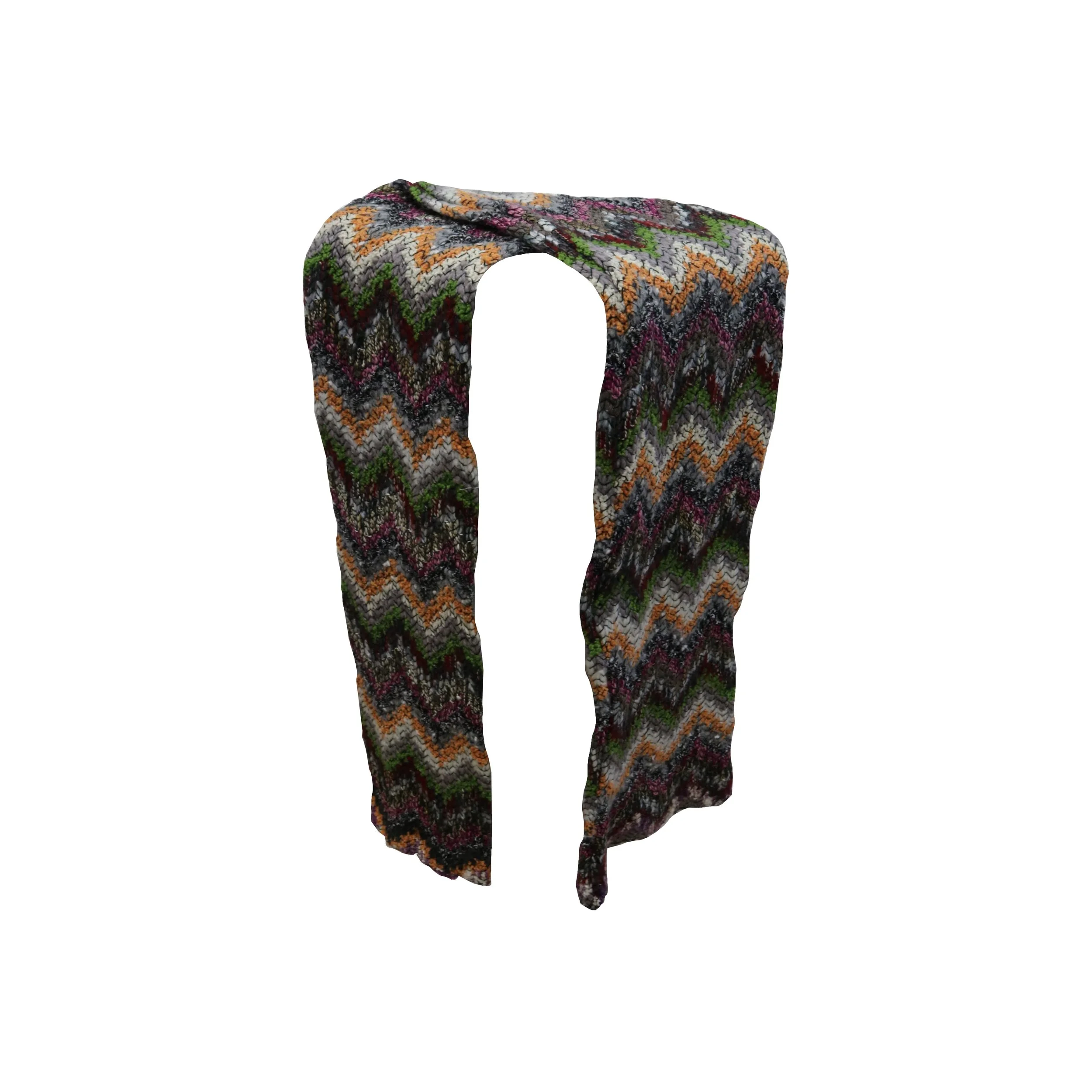
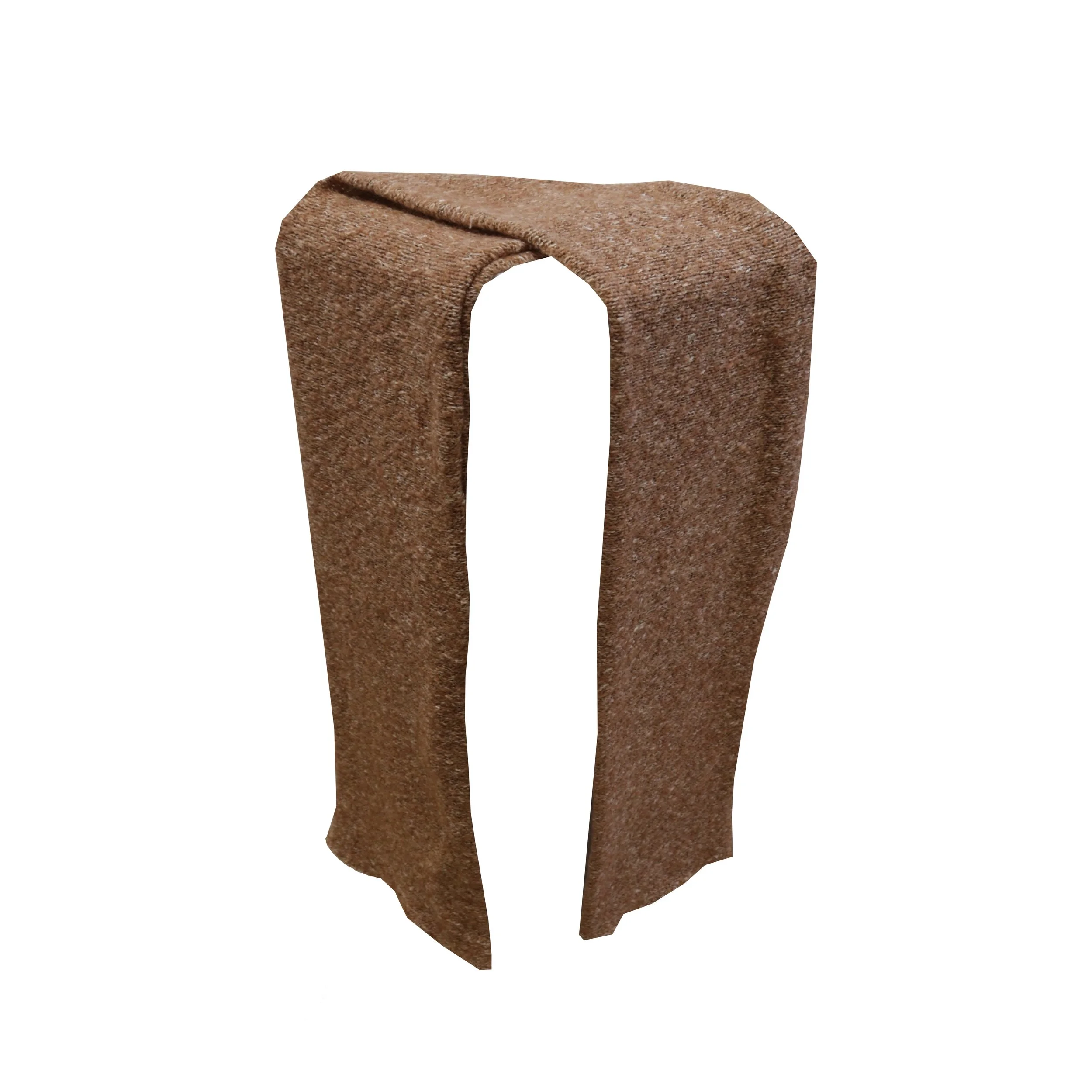
Lea Cybelle - Sewing & Textile Instructor | 5th- 8th Grade
Seeing Myself As The Muse: Hand Constructed Scarves (2026)
Patterns | Thread | 100% Natural Wool
“Seeing Myself as the Muse” is a dynamic, multidisciplinary workshop-style class designed to guide students in transforming flat design concepts into three-dimensional wearable creations. This course focuses primarily on hands-on design, mathematics, and utilizing paper patterns to express calculations of the students' individual dimensions. Awareness of the body is crucial for a new designer, and understanding one's own body is self-awareness embodied. The course begins with proportions and measuring. Fashion illustrations are developed throughout the first few weeks of class.
The students started off by drawing an 8-head French style croqui to transfer our original design ideas on paper. We imagined the best version of ourselves and unlocked ourselves as the muse. During this time, students engaged in self-visualization. We explored the idea of what it means to truly see yourself—the good, the bad, even those parts of ourselves that are unclear. As we awaited the arrival of the machines, preparation involved shifting our focus onto literacy. Language and understanding are crucial not only for operating the sewing machine safely but also to understand directions during one-on-one guided sessions. When the machines arrived in the classroom, we further familiarized ourselves with the sewing machine by simply writing and speaking about all the various parts. This was necessary in order to check for in-depth understanding.
Students practiced physical identification by pointing, speaking, and daily set up. For most students, this class was their first time sewing. We hit the ground running by solving our equations and drafting them on paper with rulers, integrating our measurements. Then, each student created a muslin pattern of their own scarf. Muslin is great for practicing and it’s an easy material to work with. By the time students started sewing their final garment, they were familiar with the pattern but were faced with the challenge of sewing thicker and softer material. They confidently chose their own 100% Italian wool fabric on our field trip to the fabric store. They excelled quickly on the machine. It was important for me that students had a free range of creative control over their fabric choice as a form of self expression. However, students were encouraged to pick within the Spring season color palette. This was for students to think toward the future as designers and timing as it relates to marketing designs.
During the field trip students experienced how fabric is stored, cut, and preserved. Designs were coming to life while artist statements were refined to perfection.The process of crafting artist statements included deep reflection, conducting interviews with students, refining, and elaborating on each student's personal life experiences. I find immense inspiration in every student in my class. It has been a true honor to teach this group and learn from them daily. Each piece created is genuinely unique, thoughtfully crafted with sincere intention.


EnCompass Academy Elementary
Darius Varize - Visual Arts Instructor | 4th - 5th Grade
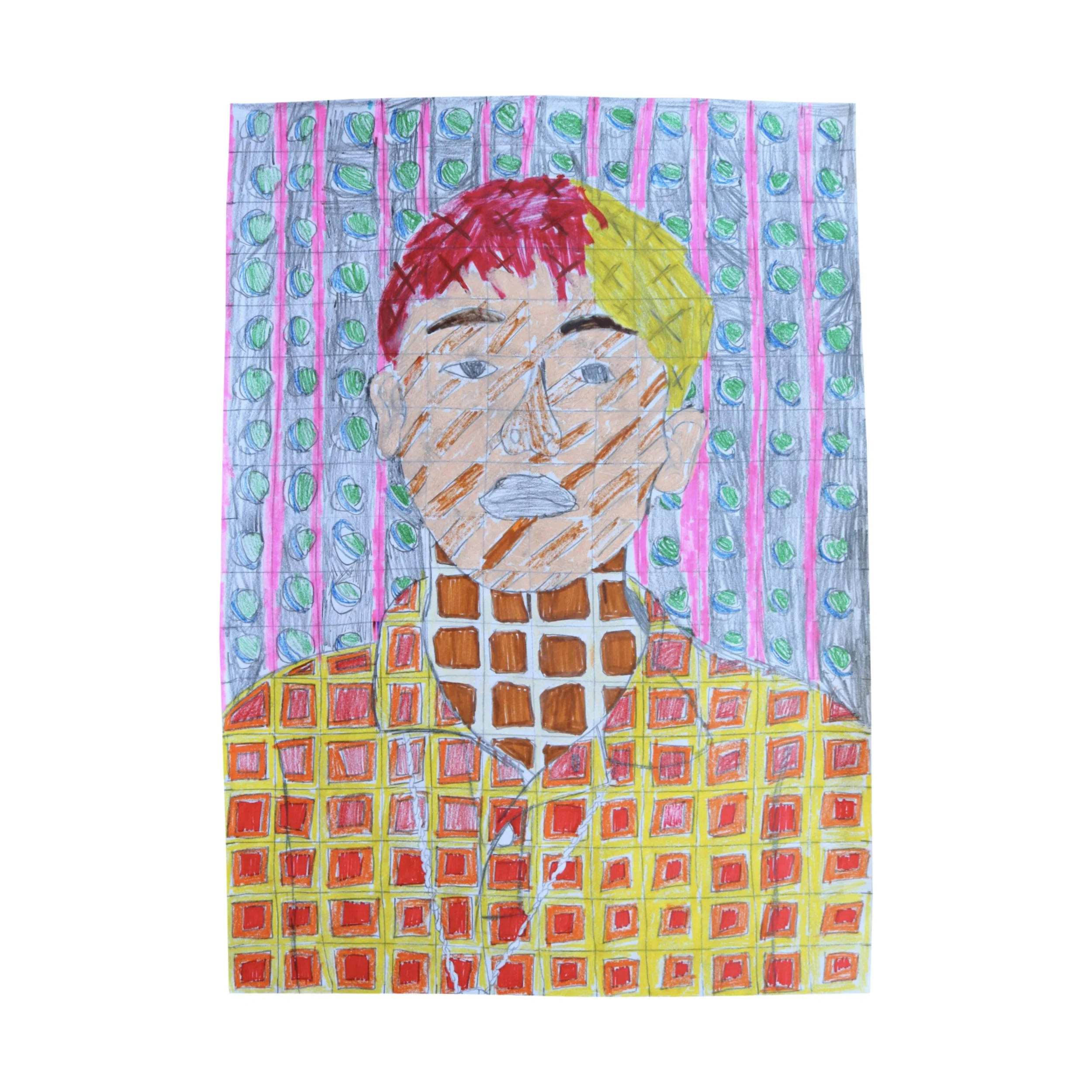
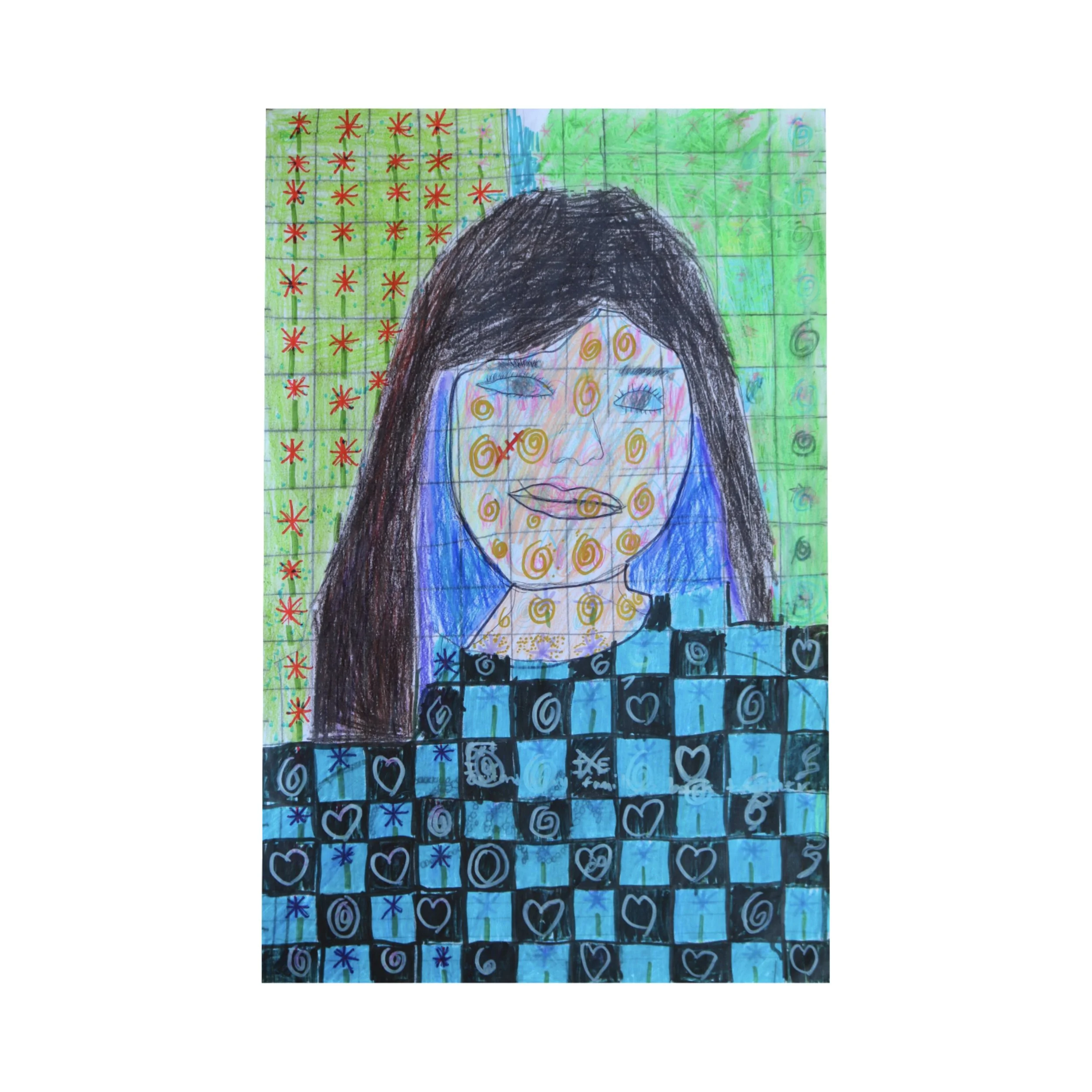
Small Squares, Big Me (2026)
Color Pencils | Markers | Oil Pastels | Mixed Media Paper
In this class, we adopted several of the same practices used by Chuck Close to develop our mixed media portrait quilts. The 4th and 5th grade students began by carefully gridding their paper, then used a window as a light source to trace their self-portraits onto their grids. From there, they were given the creative freedom to incorporate their own patterns, quilt squares, and artistic designs into both the background and portrait of their work, allowing each piece to reflect their individuality and personal story.
Leading up to this project, students practiced gridding smaller compositions and experimented with watercolor techniques to build confidence in color blending and design. These foundational exercises helped them understand how to break down complex images into manageable parts while developing their own artistic voice. As the project developed, many students used the individual squares within their portraits as a way to express their awareness of the environment.
Within these sections, students illustrated elements such as local landscapes, plant life, water, wildlife, and symbols of sustainability. Some chose to highlight the beauty of their surroundings, while others incorporated visual messages about protecting natural resources and caring for their community. These small but meaningful details transform each square into a narrative piece, contributing to a larger story about how students see themselves in relation to the world around them. Through this process, students not only strengthened their technical skills in observation, proportion, and mixed media, but also engaged in meaningful self-expression and environmental reflection. Each portrait quilt serves as a reflection of the student’s identity, creativity, and connection to their environment, demonstrating how art can be a powerful tool for both personal storytelling and awareness of the world we share.






Greenleaf TK-8
Cristina Delgado - Visual Arts Instructor | 6th - 8th Grade
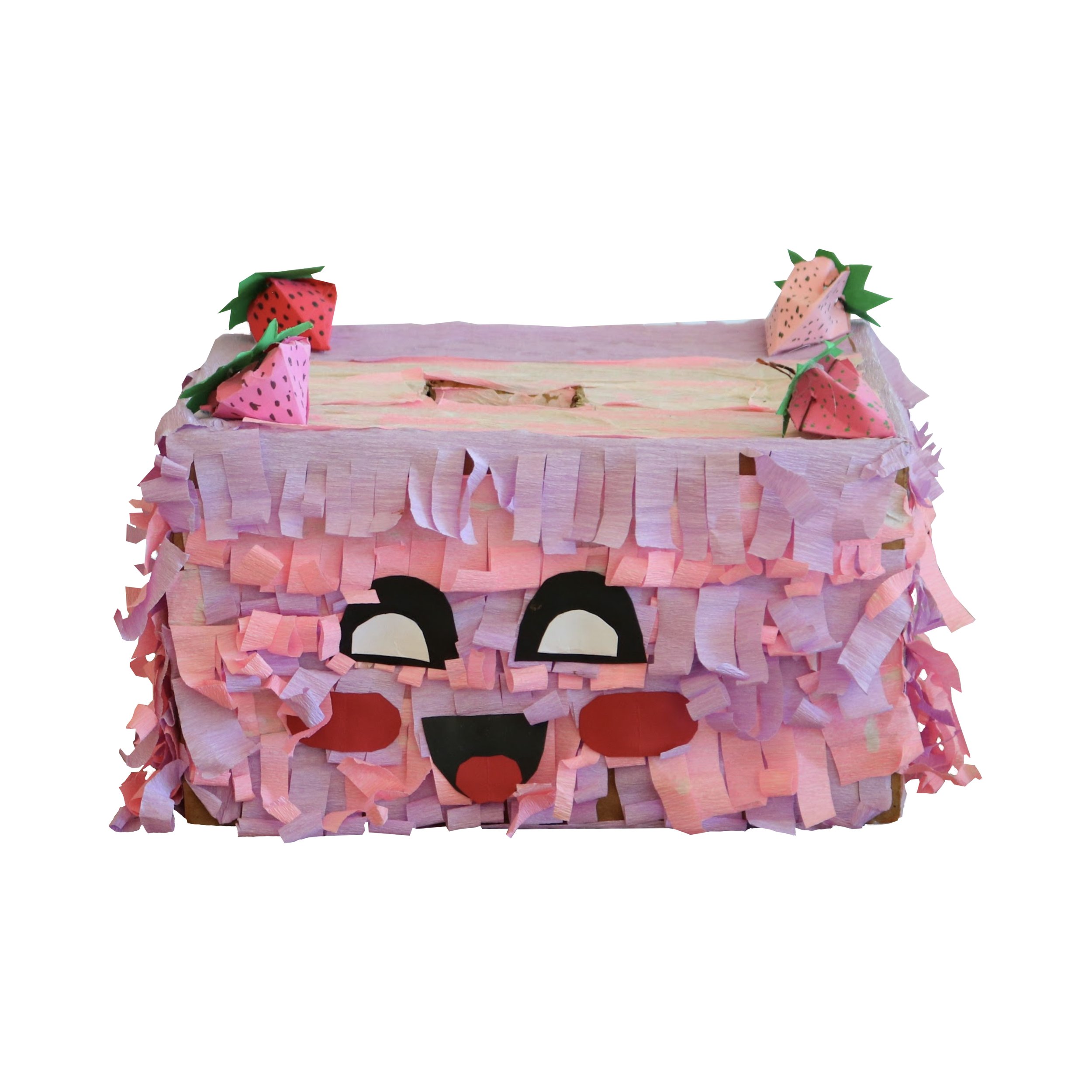
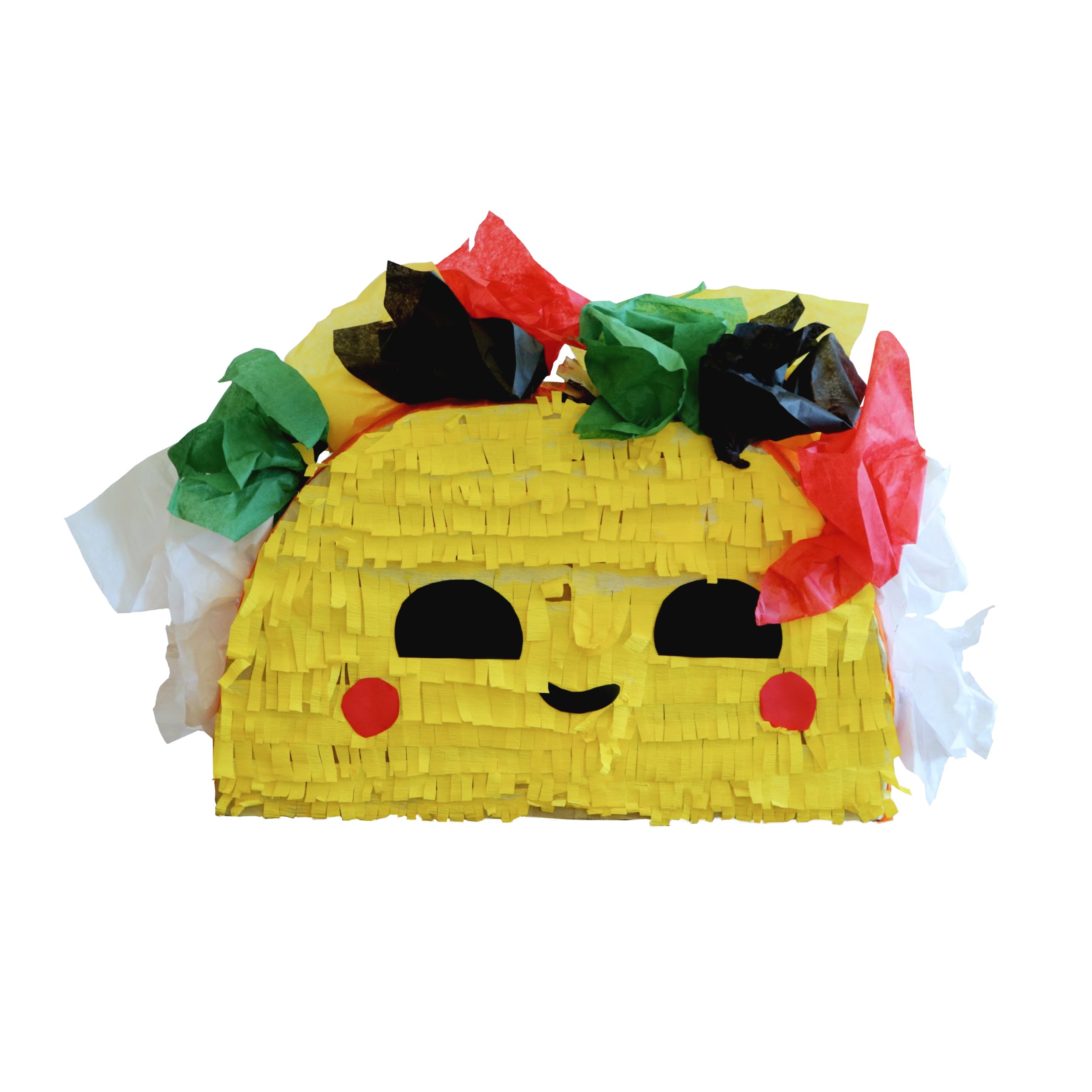
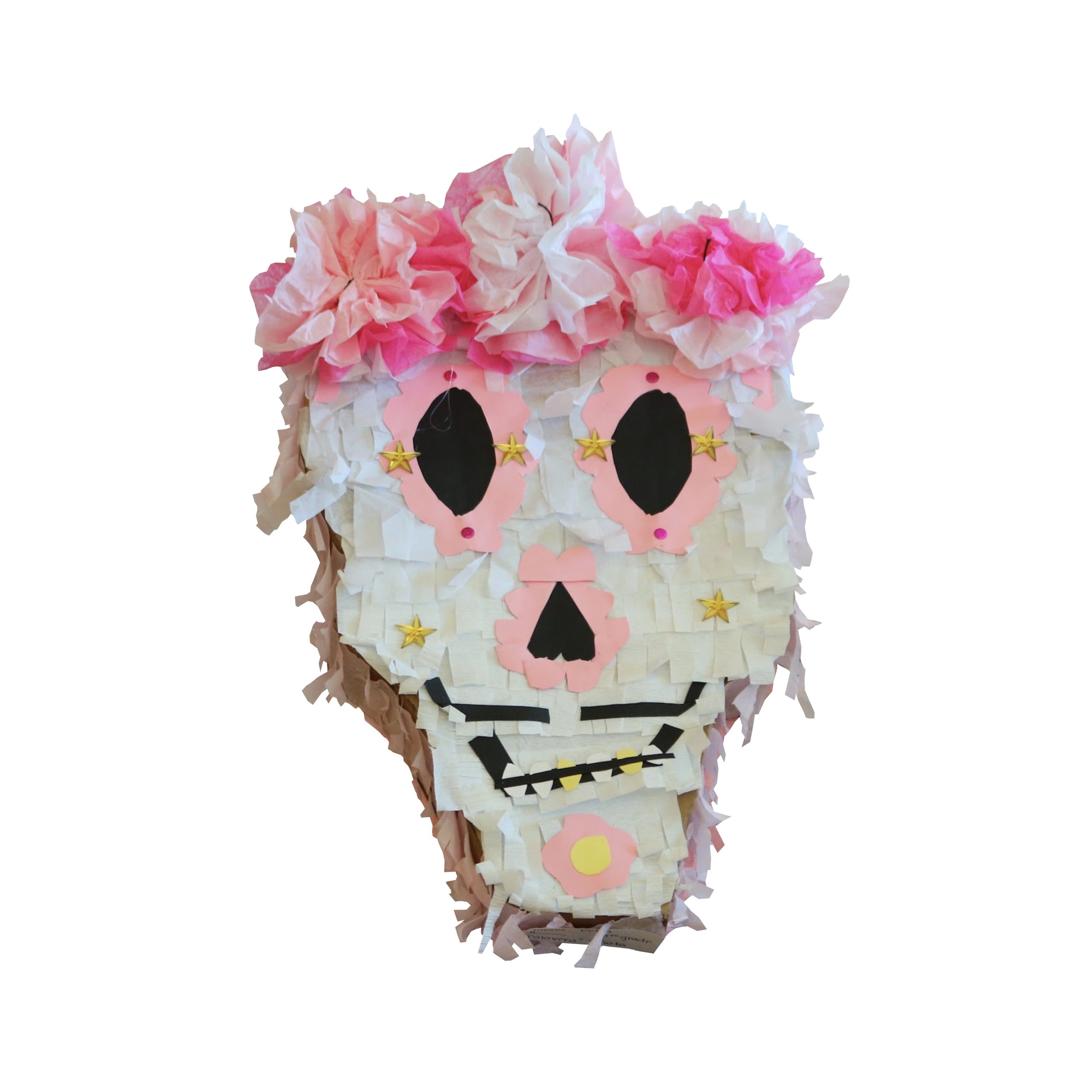
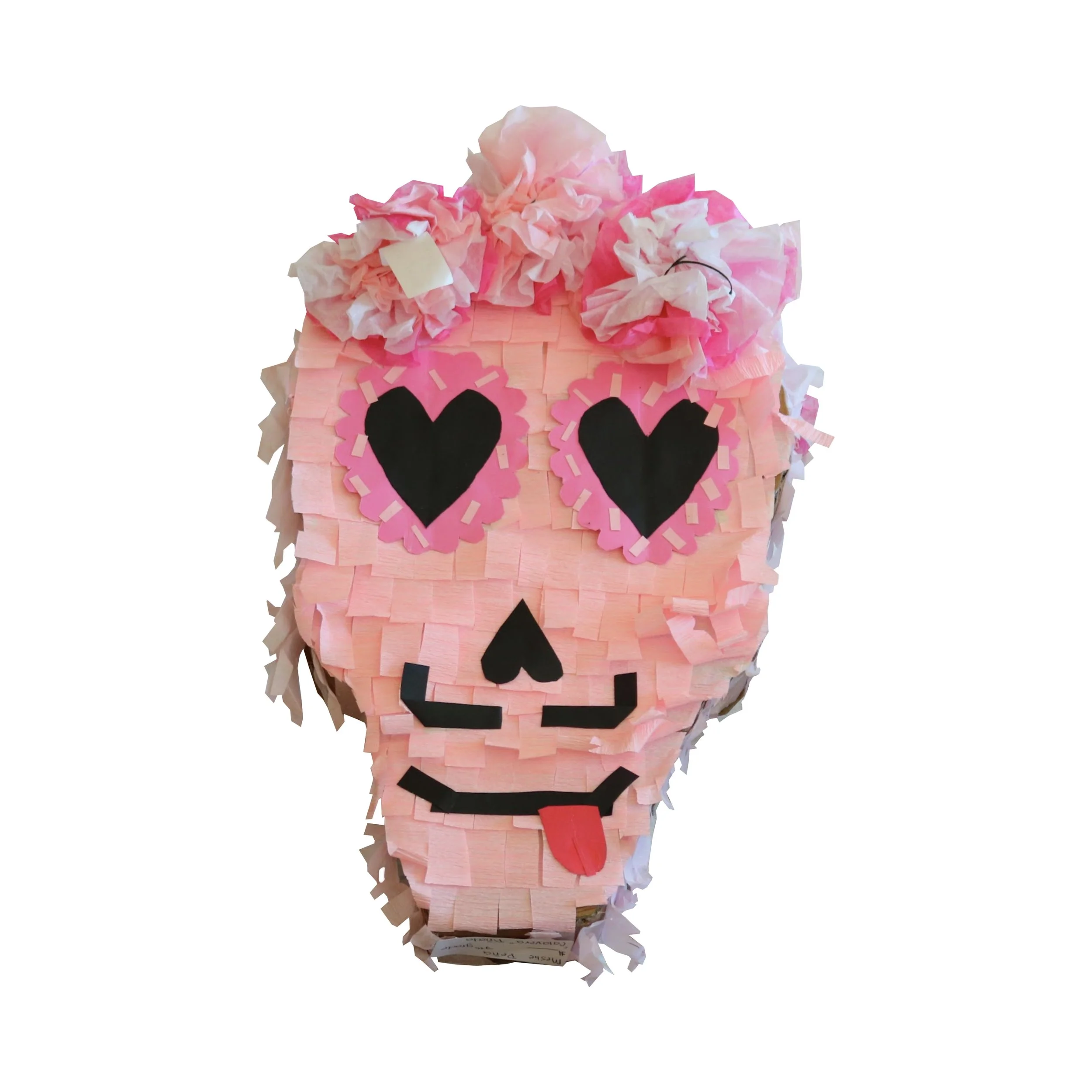
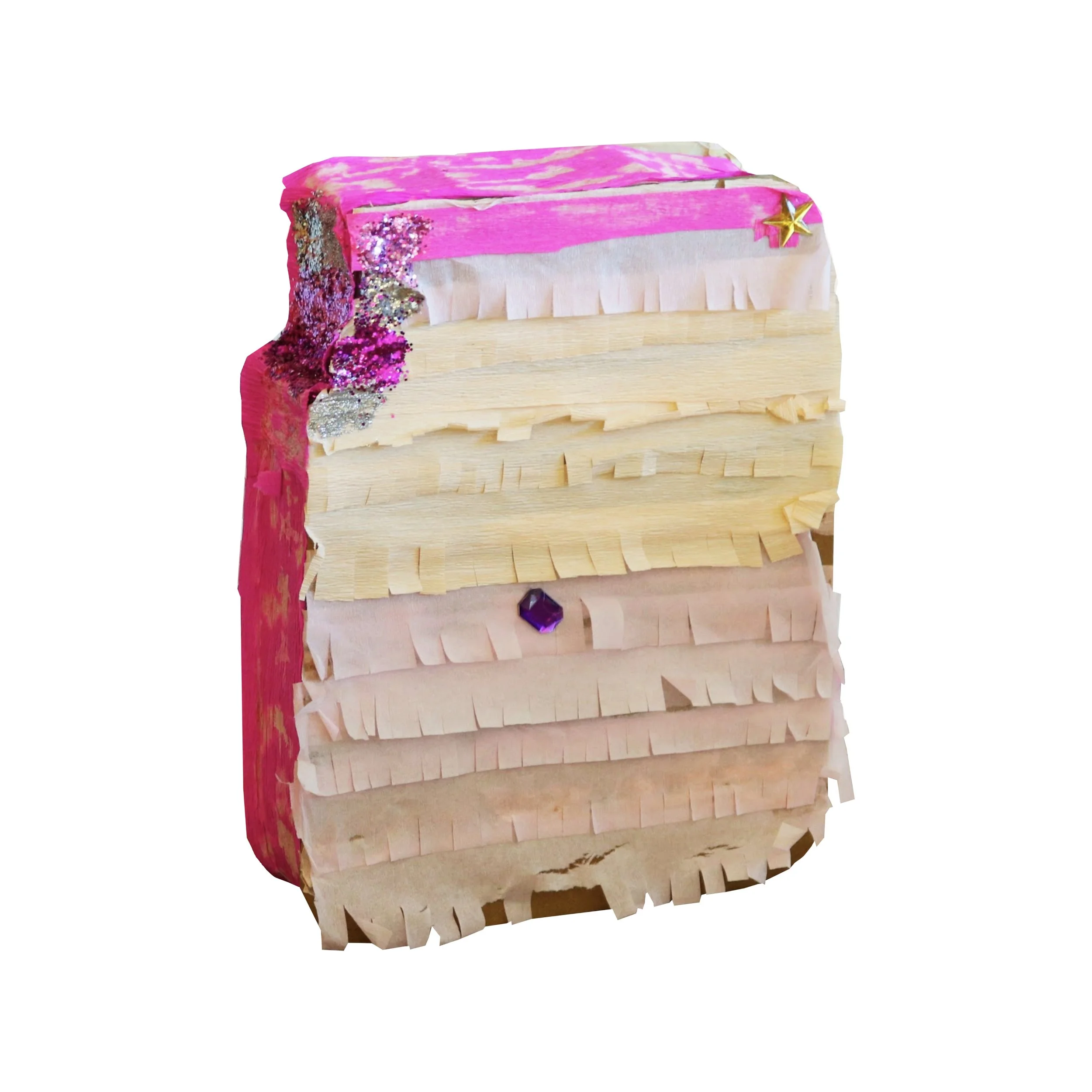
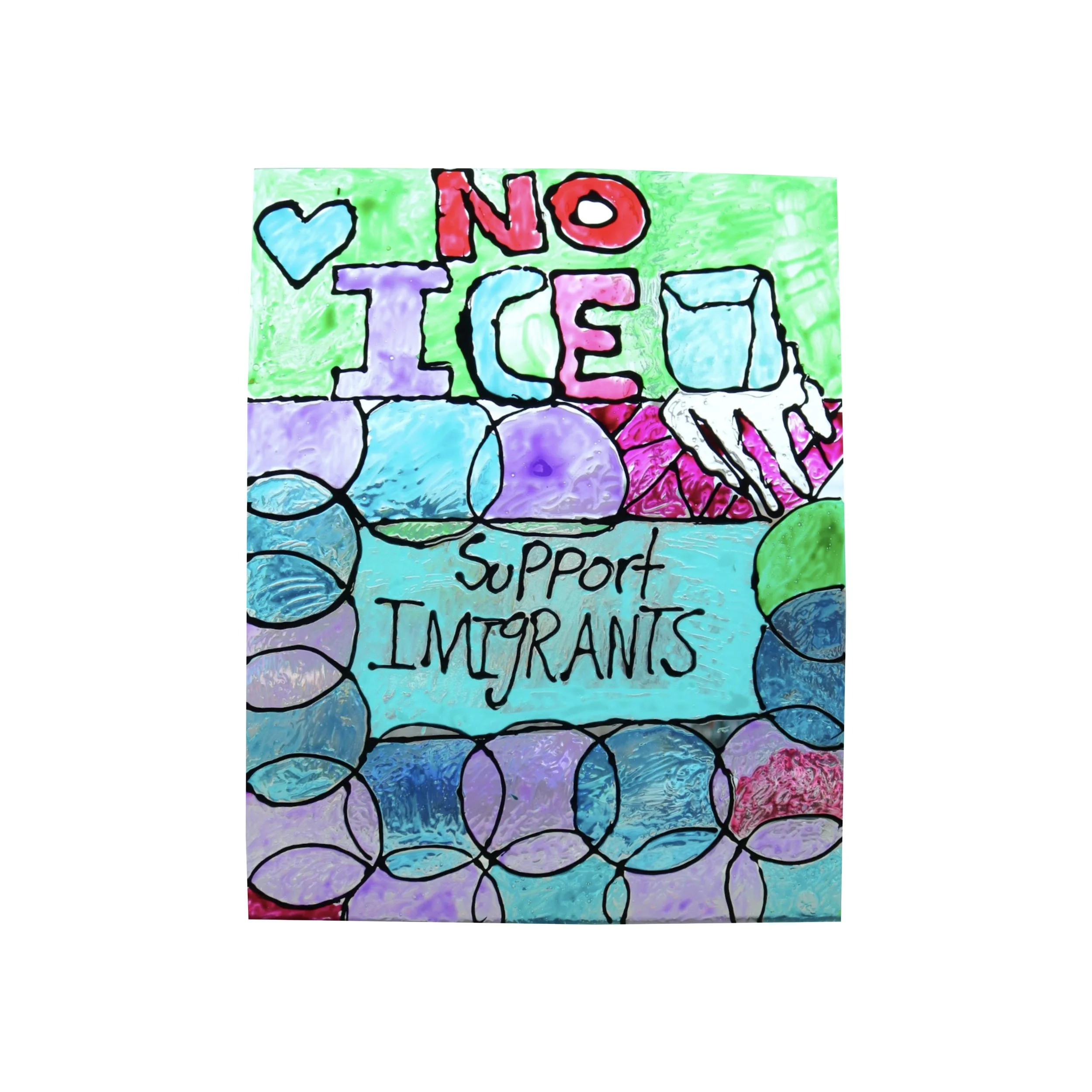
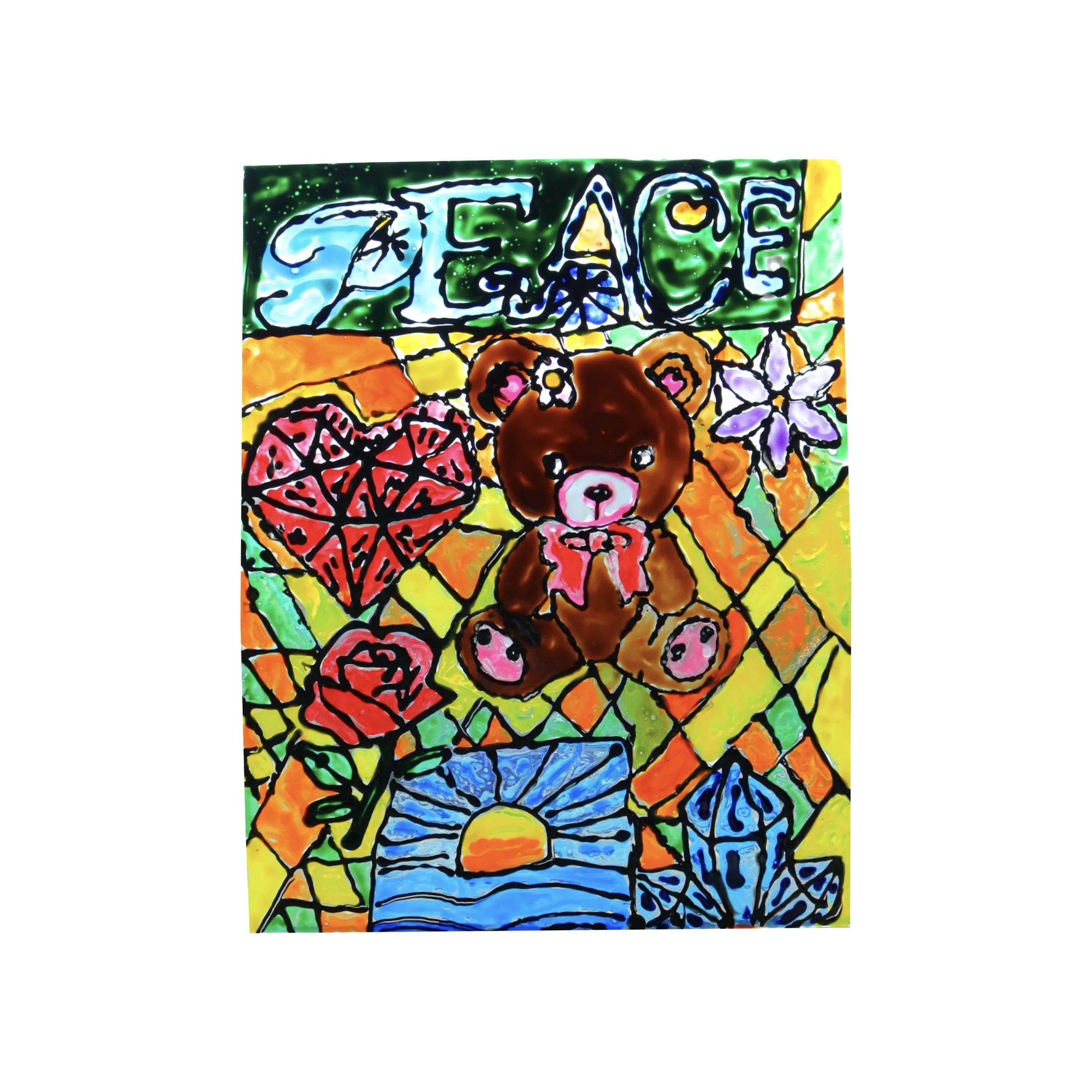
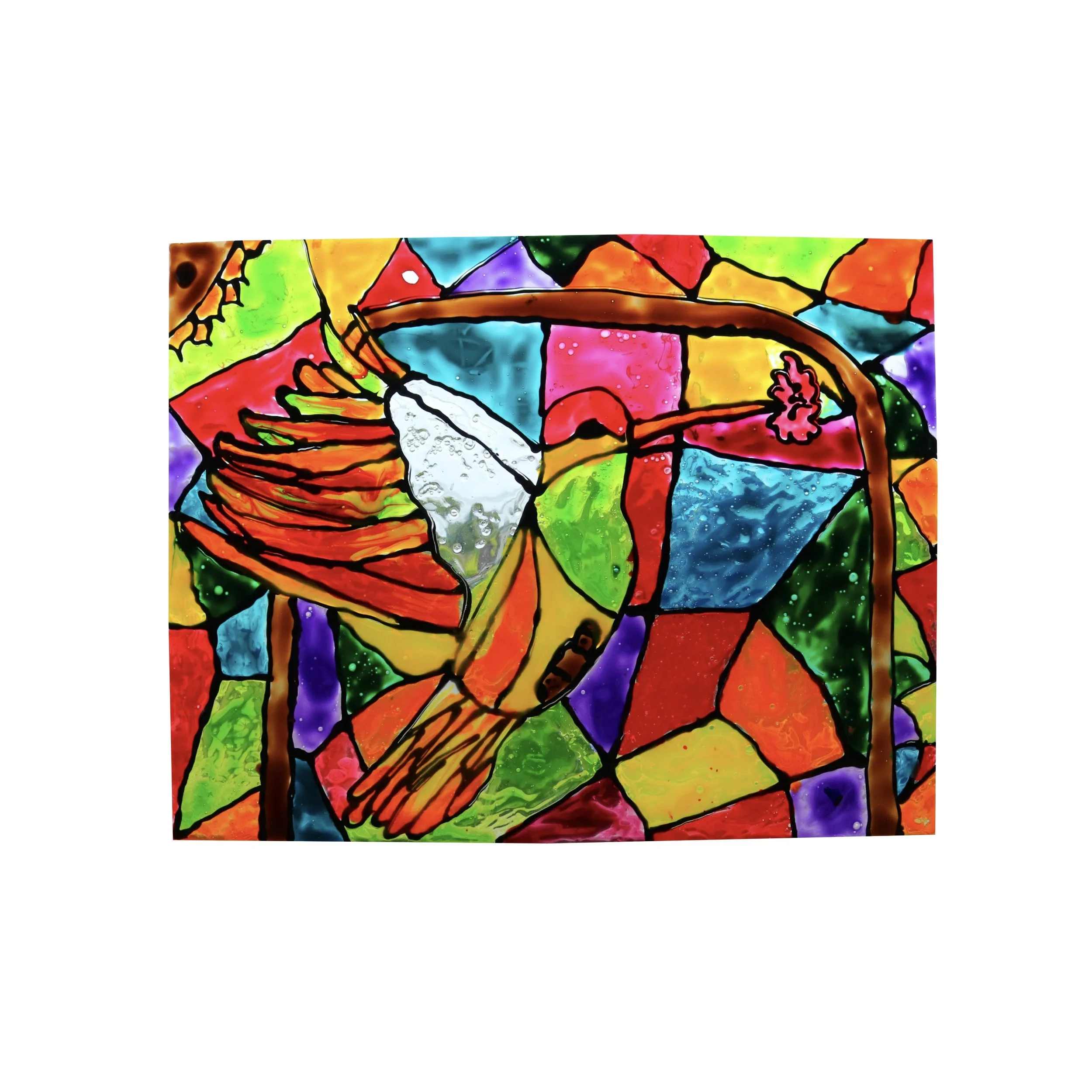
Colors of Community: From Piñatas to Portals (2026)
Cardboard | Crepe Paper | Tissue Paper | Cardstock | Glitter | Gem Stickers
This school year, students at Greenleaf TK-8 engaged in two hands-on learning and cultural and political art projects by creating their own piñatas and designing their own faux stained glass. When making their own piñatas, students explored the rich traditions of the piñatas as a cultural art form, using it as a vehicle for personal expression and identity. Each student selected an image of personal or cultural significance, grounding the project in their own lived experiences and heritage. In making these piñatas from scratch it invites students to design and construct their own piñata using accessible, low-impact materials like cardboard, crepe paper, tissue paper, and cardstock paper. Students worked with cardboard as a structural base, and developed skills in three-dimensional construction, problem solving, and spatial reasoning as they shaped and assembled their forms. They then applied layers of crepe paper and tissue paper by cutting strips into fringes. This builds patience and fine motor precision while learning how texture, color, and layering can transform a simple material into a vibrant work of art. The choice of materials in this project is intentional and instructive because environmental justice asks us to consider not only what we make, but how, from what, and at whose expense. Communities most affected by pollution, waste, and resource extraction are disproportionately low-income communities of color; many of the same communities whose cultural traditions we celebrate in this very project.
In the second project, students explored storytelling through faux stained glass. They learned about the principles of design and elements of art and how to tell a story through imagery and symbols and using composition and color to convey emotion. In the making of this project students stepped into the role of both designer and advocate. Beginning with brainstorming and ideation, students developed their compositions using the principles of design– balance, contrast, unity, movement, emphasis, repetition , proportion. And the elements of art – line, shape, form, value, texture, space, color. This planning phase sharpened critical thinking and visual literacy skills, asking students to consider not just what they wanted to say, but how design choices could amplify that message. Students transferred their designs onto acrylic sheets and carefully traced and colored them using gallery glass paint. This process helped students develop steady hands, attention to detail, and an understanding of how line quality affects the visual impact of artwork. The message embedded in these art pieces range from deeply personal to boldly political. Students used their art as a platform to speak about the world they are inheriting. Like light through glass, these images are meant to be seen, to shift perspectives, and to illuminate what matters. In this way, the project affirms that young people are not bystanders in conversations about justice and the environment, they are voices that deserve to be heard.






Hoover Elementary School
Alexa Brown - Visual Arts Instructor | 4th Grade
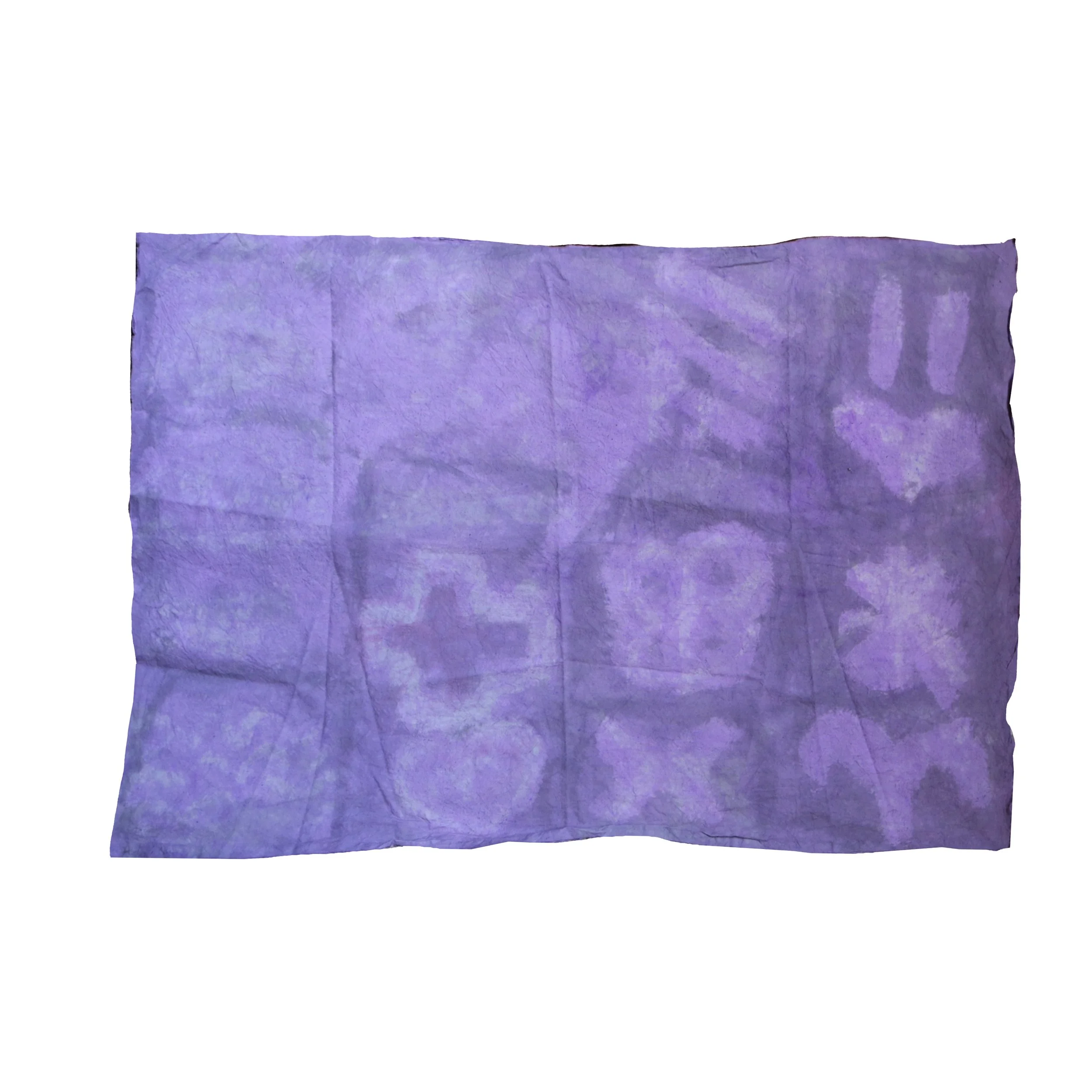
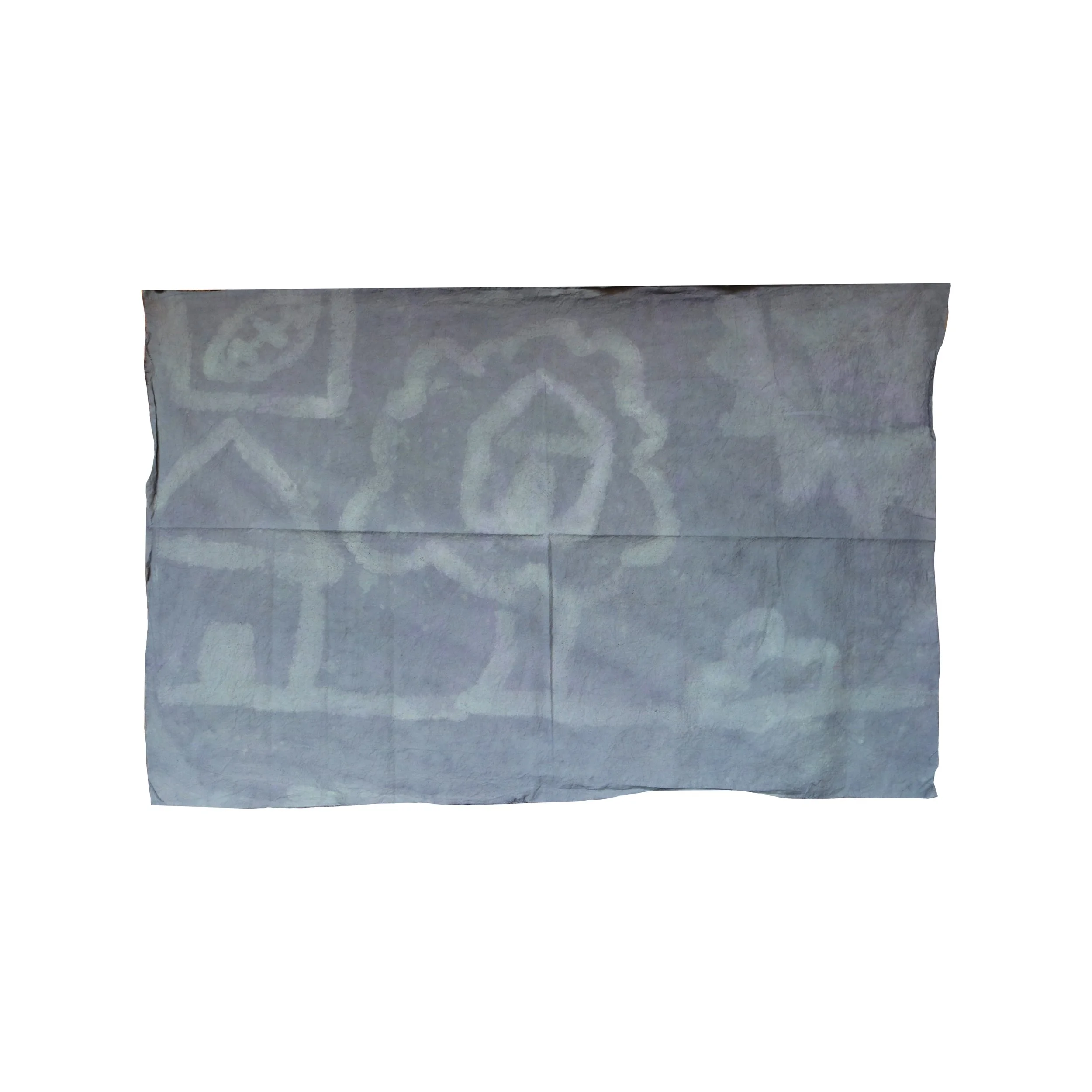
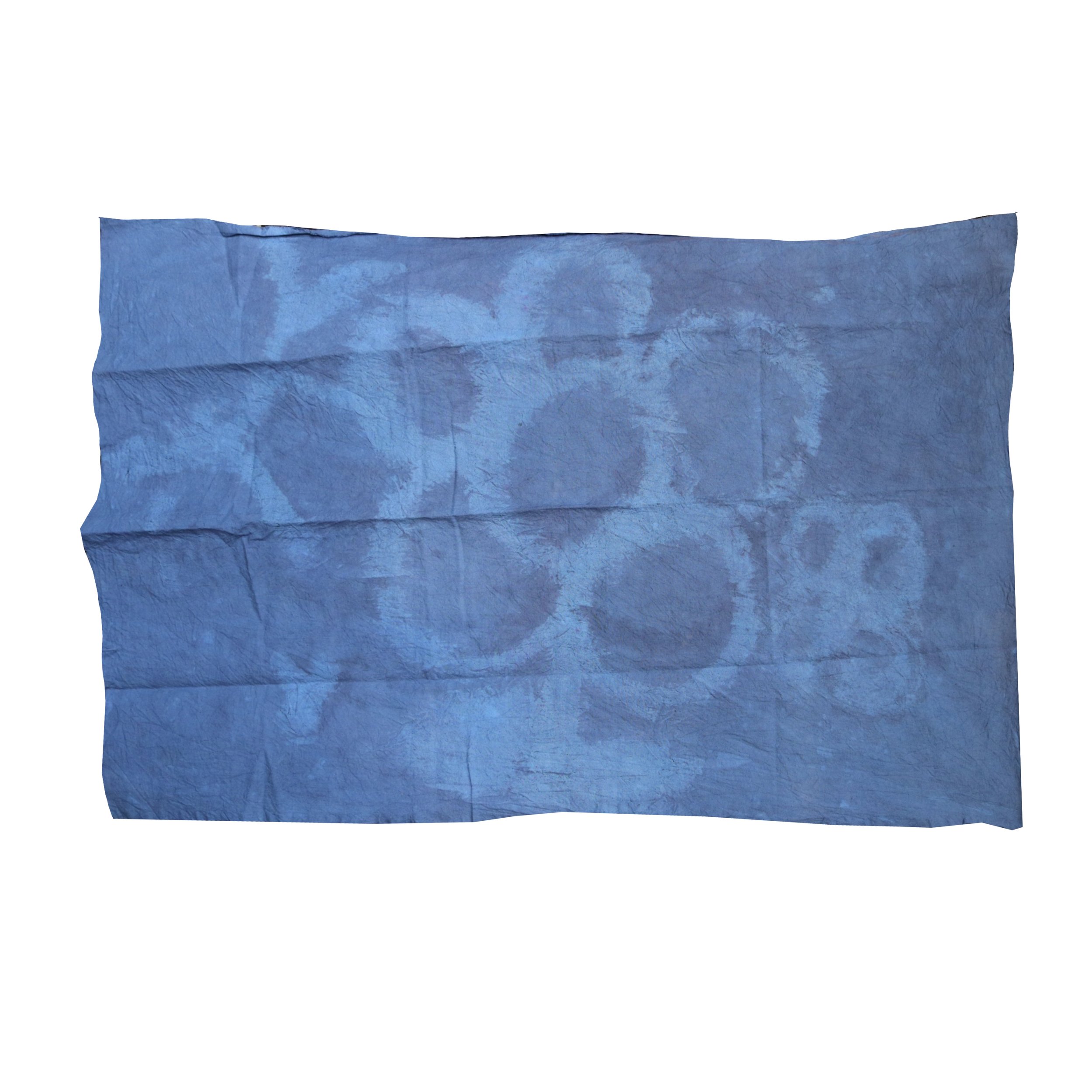
Ancient Textile Exploration (2026)
Indigo Dye | Tie Dye | Cassava Paste | Muslin Fabric | Cotton T-Shirts & Scarves
The 4th grade students in our ArtEsteem After School Program at Hoover Elementary explored the ancient art of textile printmaking and the natural materials that were used to create these garments and pieces of art. We began with a dive into Nazca Textiles from ancient Nazca culture in southern Peru. Students learned about the history of this textile, including fabric made from Alpaca fur and dyes made from bugs. They had a chance to create their own Nazca fabric by making a loom out of cardboard, and making a traditional weaving pattern with the yarn color of their choice.
From there, the students and I traveled over the ocean and learned about Adire Textiles from Nigeria that were traditionally made by Yoruba women. This textile technique allowed students to learn about the Indigo plant, cassava root paste, and how to create patterns using a freehand method with traditional tools like feathers and sticks, and making their own resist-dying designs on muslin fabric.
Along with Adire, students took their knowledge of patterns and Indigo with them while learning about our last textile technique from Japan, Shibori. Students will get to practice the folding techniques in Shibori dyeing by origami folding and other folding pattern based artwork, and the history of how shibori printmaking started. The students went through many trials, challenges, and learning curves with every medium they explored. Yet, they were persistent and always wanted to continue trying to learn and understand the technique they were practicing. My hope is that the students will remember this unit for years to come, about how they were able to “travel the world” and explore the unique history of textiles and the beautiful cultures they come from.




Nystrom Elementary School
Alexa Brown - Visual Arts Instructor | 5th - 6th Grade
When We Were Young (2026)
Block Printing Ink | Printing Paper
The 5th and 6th grade students in ArtEsteem’s After School Program at Nystrom Elementary dove into the art of block printing, using linoleum blocks and printing ink to create images that remind them of childhood. The students were introduced to printmaking artist Alberto Cruz. His artwork reflects memories, focusing on whimsical, yet simple designs that represent his visual storytelling approach to art.
The students took this creative approach by starting with an original sketch, creating a single image that tells a story of a memory that their younger self experienced. They then learned about the art of block printing using linoleum blocks, charcoal sticks, and carving tools to create stencils of their personal sketches in order to carve their images for printing.
This process took 5 steps before even getting to touch printing ink, and these students showed a lot of pride in their work during every step. When the time for printing came, the students were given only primary colors of printing ink (blue, yellow, red, white, & black), and from these colors they mixed these colors to create new tones and secondary colors that matched the story of their memory turned to art. When writing their artist statements, the students were able to bring their memory full circle by adding the written background to the image they created from memory. Looking back, they were able to feel the emotions, the textures, the sounds and even the tastes of their younger self’s favorite moments.


Alexa Brown - Visual Arts Instructor | 3rd - 4th Grade
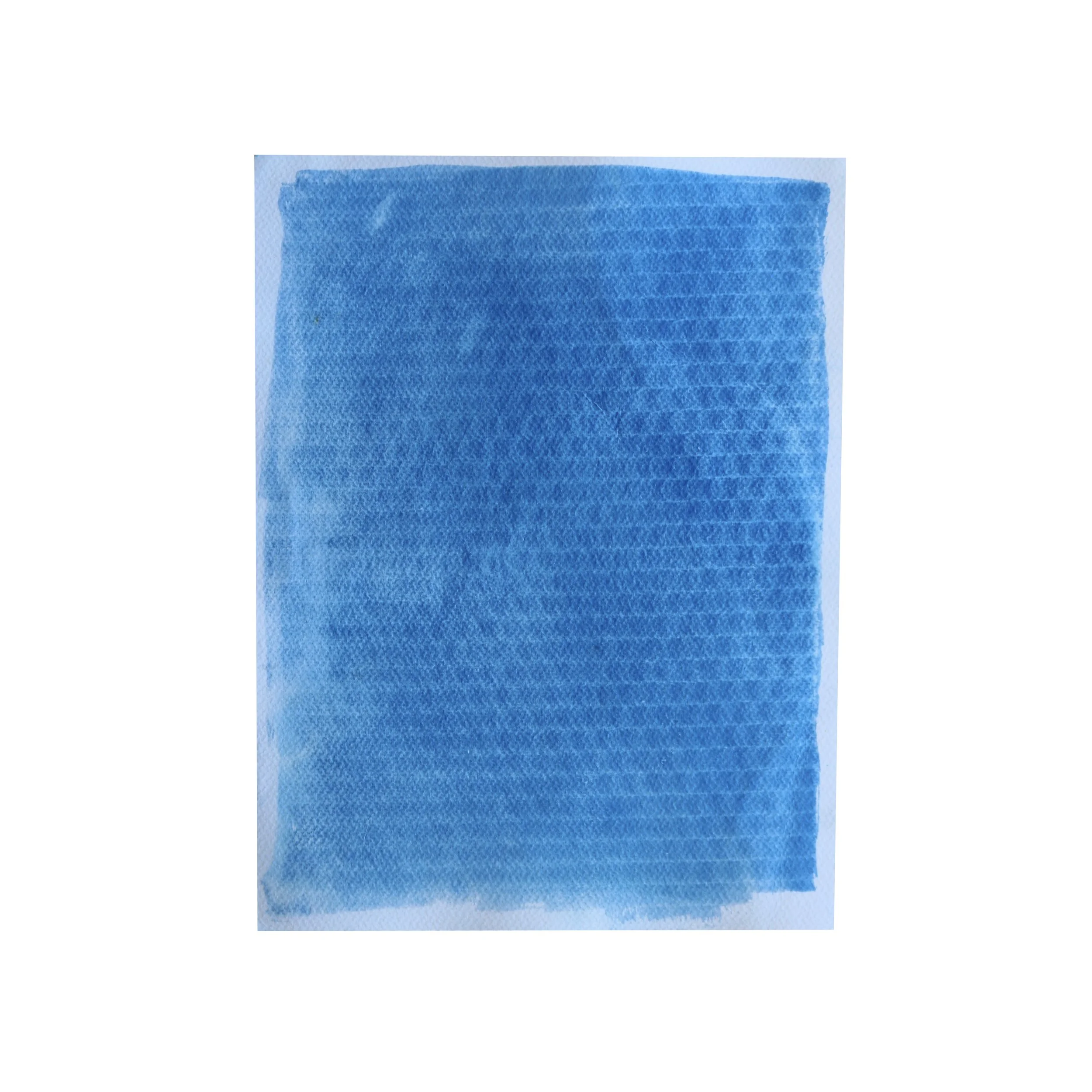
The “C” in Cyanotype (2026)
Watercolor Paper | Cyanotype
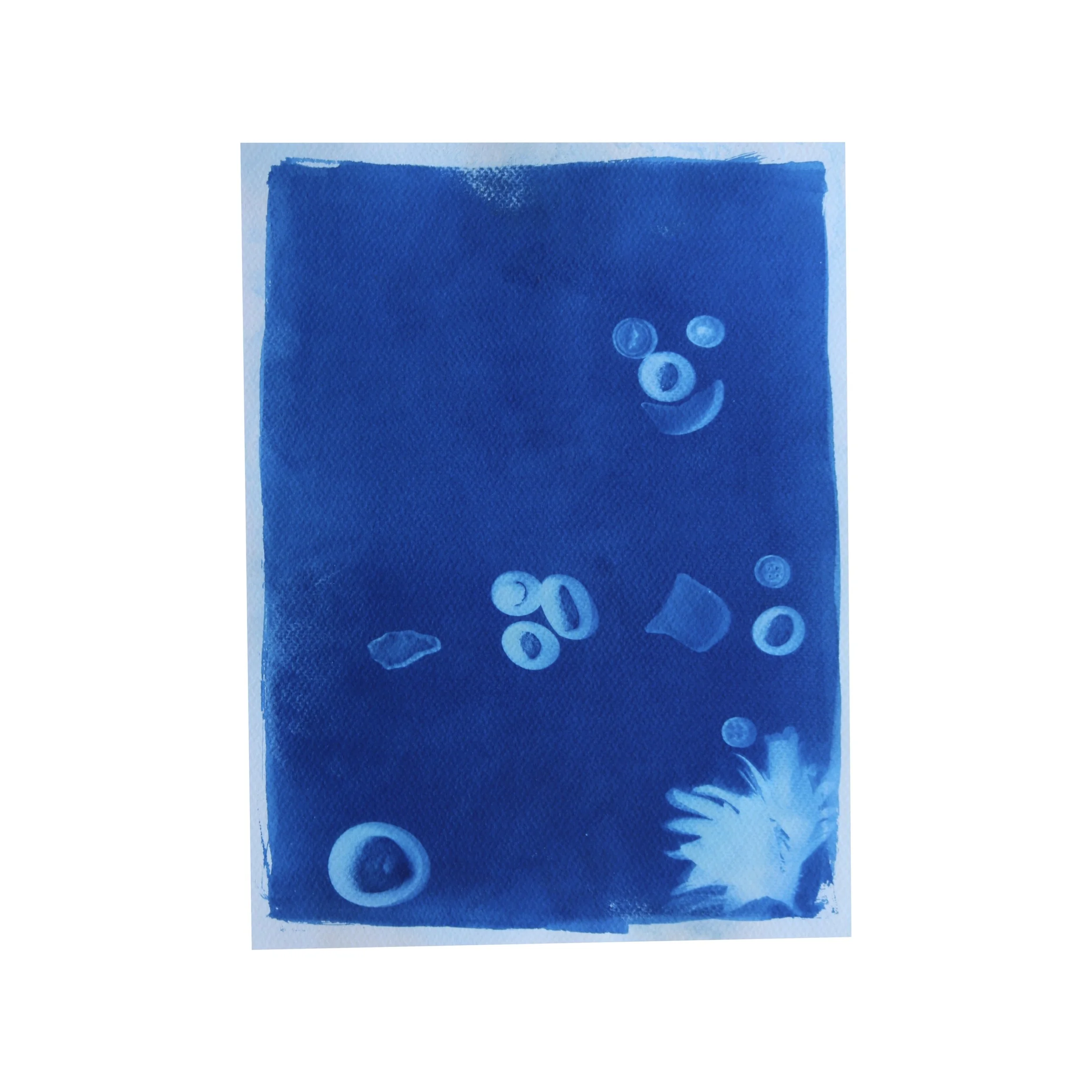
The art of cyanotype was created over a hundred years ago by taking the concept of photography, with chemistry, and the color cyan to make this amazing art medium. The 3rd & 4th grade students in ArtEsteem’s After School Program at Nystrom not only learned about the complex process cyanotype printing requires, but also learned about the curating of a space artistically. These students used practice materials to learn about curating, designing, and storytelling through imagery. The students also were able to experience and practice this new craft by using various found items to create different texture patterns in their cyanotype process.
For their final pieces, the students combine their new knowledge of curating a blank page, using certain materials to create texture where they envisioned it, and use live plants from their school garden and from the Richmond Marina, which made their designs so much more personal. Under the Richmond sun, with their peers and classmates, using materials from their own environment and community, all came together to create unique works of art that translated into interesting and intriguing stories when you look closely, and use your imagination.





Alexa Brown - Visual Arts Instructor | TK-K
Papier Collés (2026)
Acrylic Paint | Found Items | Rice Paper | Canvas
The youngest students in ArtEsteem’s After School Program at Nystrom dove into the art of printmaking for this unit, however instead of linoleum blocks, they have made all of their final prints using the intriguing gelli block! These students focused on the elements of space, shape, form and color, designing textured prints while curating the space on their paper. They were able to also understand and retain the vocabulary of the tools required in this art medium, such as brayer, curate, form and texture. In addition, these students learned about resistance and how it can be a huge part of all types of printmaking.
To understand better, they put the resistance technique to practice by drawing intricate designs with crayon, and then painting over it with watercolors to show that the crayon resisted the paint similar to how the found items resisted the acrylic paint on their final models. This lesson was so interesting to see how students so young could dive into exploration, imagination, critical thinking through process of elimination, and being able to apply practice points to their final drafts onto rice paper. I never saw these students give up or get discouraged, and I never heard the words “I can't do it,” and I am so proud of them for being amazing students, scholars, and fine artists.

Stege Elementary
Darius Varize - Visual Arts Instructor | 3rd - 6th
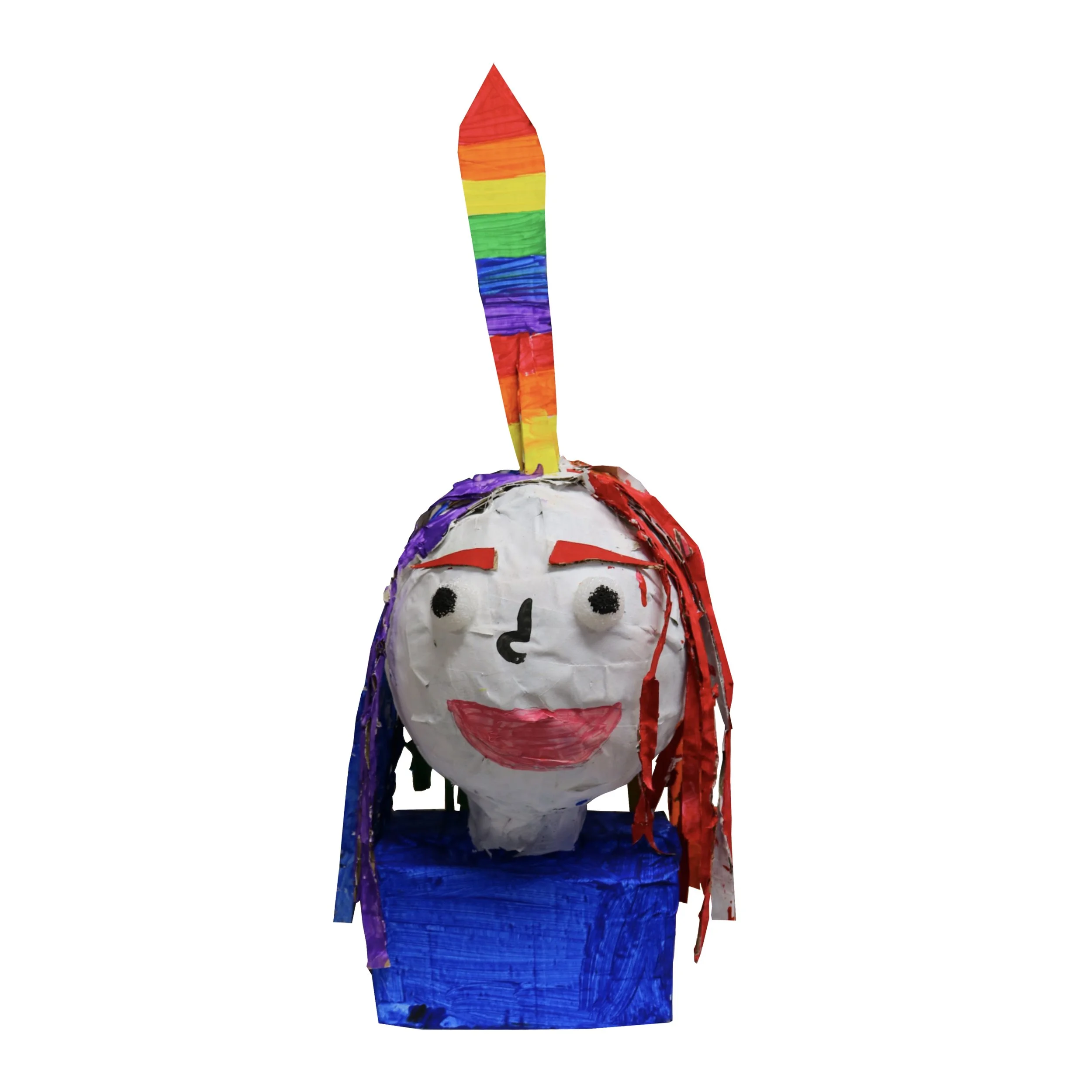
Superhero Heads: Sculpting My Super Self (2026)
Tempera Paint | Paper Mache | Cardboard
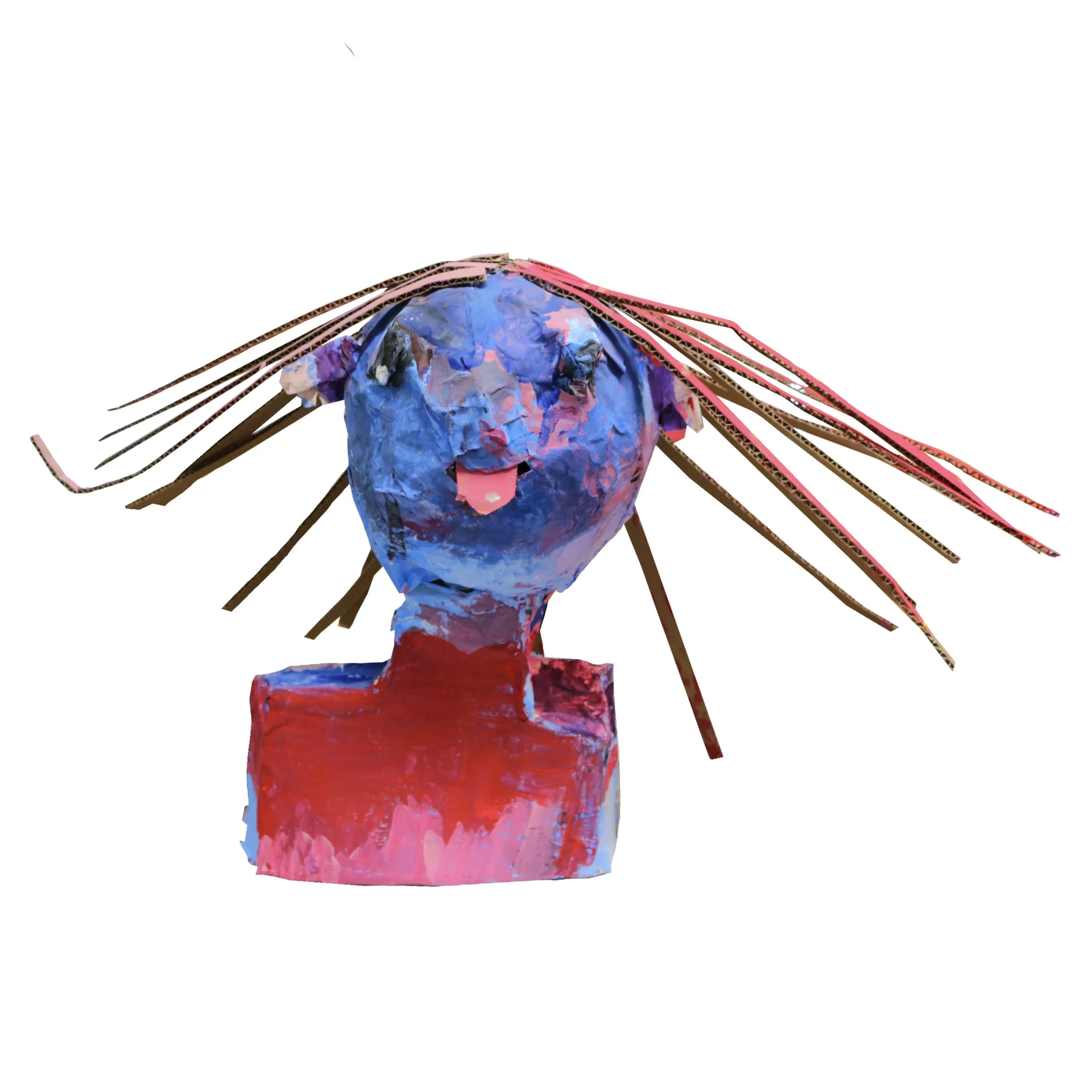
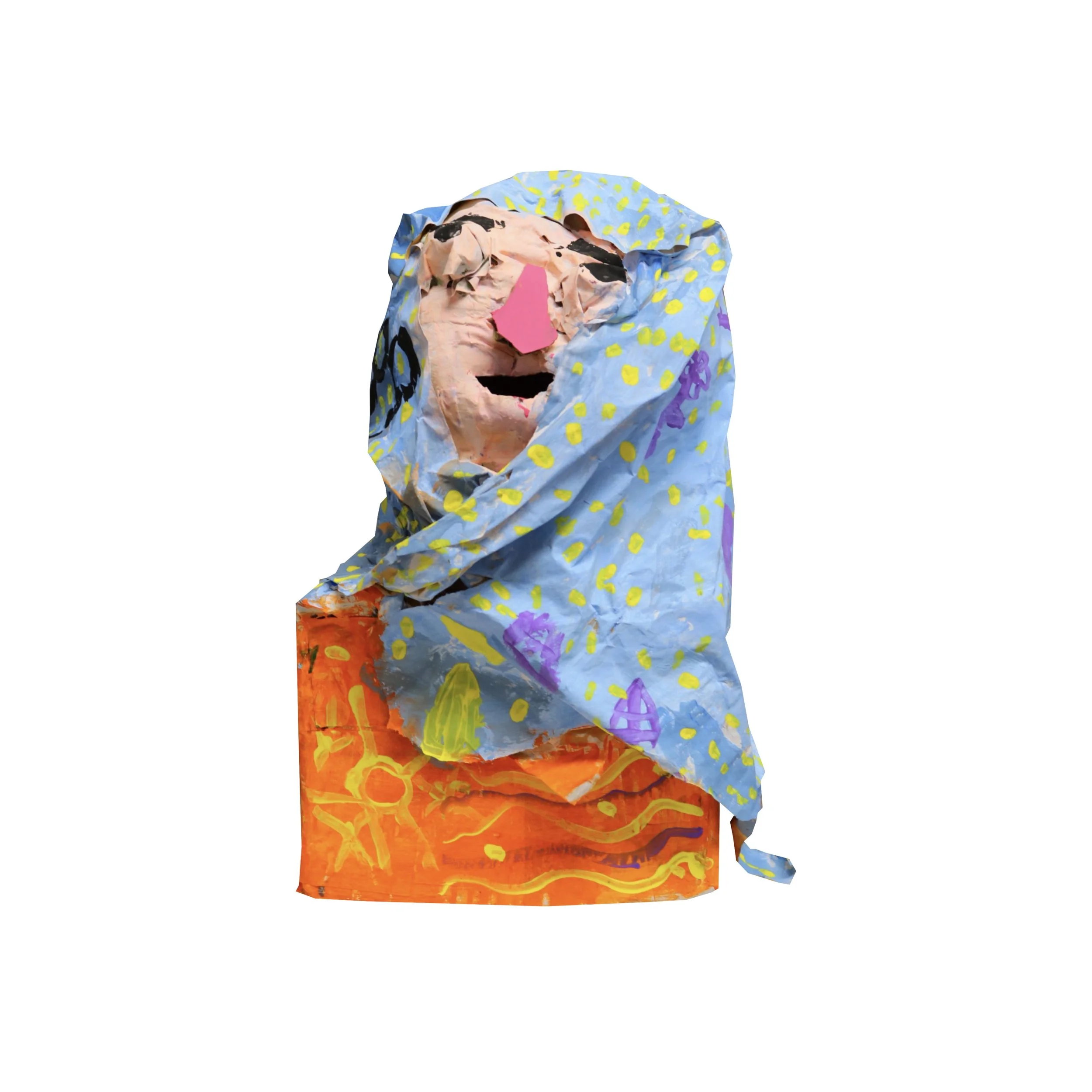
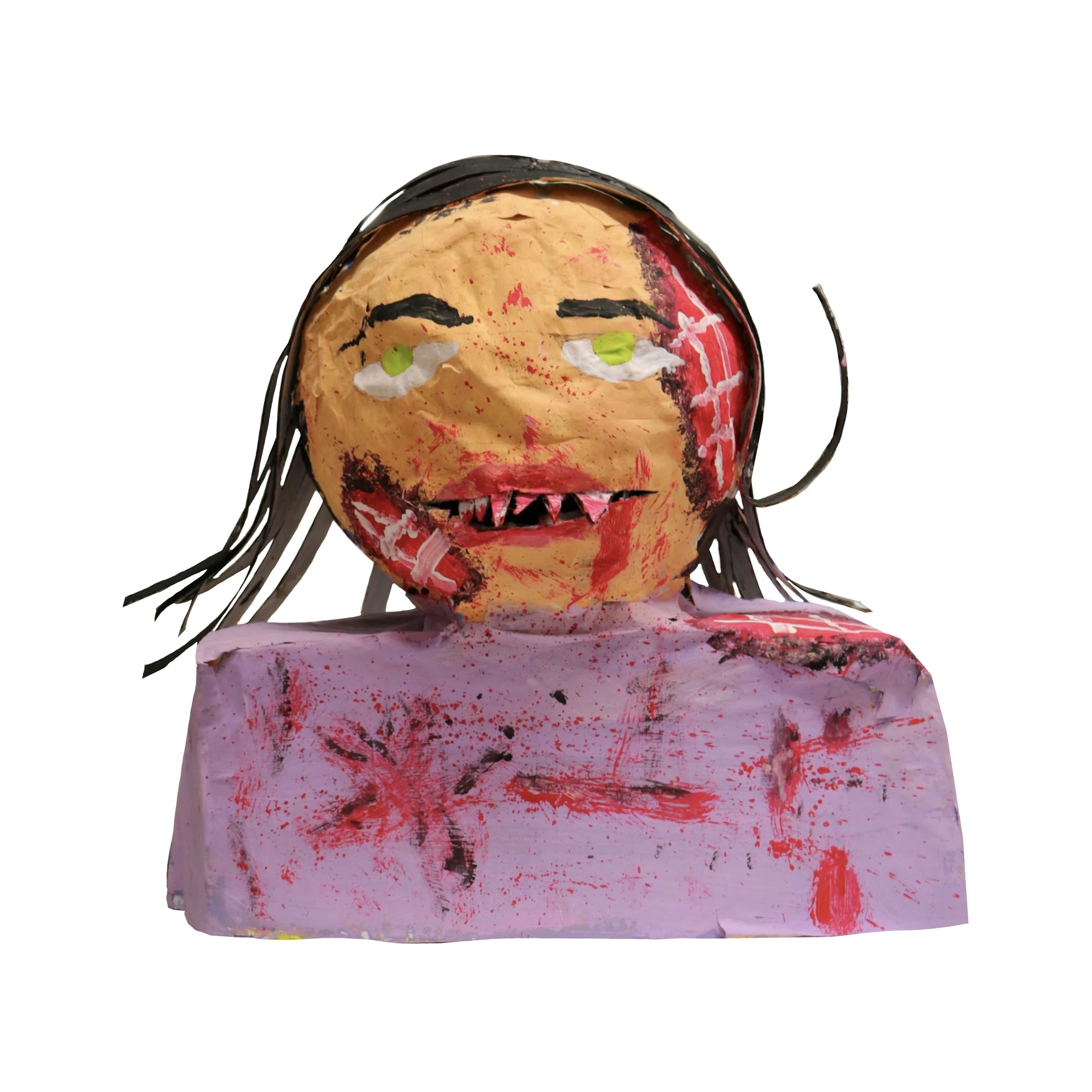
In this project, students at Stege Elementary designed original superheroes as reflections of themselves and the issues they care about most. Each student imagined a character with unique powers intended to support their community, help their families, and create positive change in the world. Our class explored character development through activities inspired by Amana Harris’s Self as Superhero Handbook, prompting students to consider questions such as: What is your superhero’s personality? What do they care about? What is their origin story?
This year, I introduced an additional challenge: translating their 2D drawings into 3D forms. Students were asked to think critically about how to communicate a superhero’s strength solely through facial expressions and features. This constraint encouraged them to focus on subtle visual cues and intentional design choices to convey emotion, identity, and power. Students began by developing full-body concept drawings and responding to guiding questions about their superhero’s personality, values, and origin story. After establishing the full scope of their character, they shifted their focus to the head, carefully considering how details such as facial expression, hairstyle, and accessories could reflect their character’s identity and values. Hair, in particular, became a powerful form of self-expression, often serving as a key visual element that communicated each hero’s inner strength and individuality.
Students then learned the papier-mâché process, exploring its artistic and scientific aspects as a layered composite material. They constructed their sculptures by forming a head over a balloon, attaching it to a cardboard base with shoulders, and reinforcing the structure with multiple layers. This stage of the project presented challenges and required patience, resilience, and problem-solving. Many students worked through moments of frustration and uncertainty, relying on peer support, collaboration, and encouragement to persist through each step of the process. In the final stages, students primed and painted their sculptures, thoughtfully mixing colors and adding details to bring their original designs to life. They continuously referenced their initial drawings while also making creative adjustments as their ideas evolved in three dimensions. Through this project, students strengthened their skills in sculpture, painting, and design, while also deepening their ability to express identity, emotion, and personal values through art. Beyond technical growth, this work encouraged self-reflection, empathy, and a sense of agency, empowering students to see themselves as creators capable of imagining and contributing to a better world.





Oakland Emiliano Zapata Street Academy
JD Mathieu - Digital Media Instructor | 9th - 12th
Impact Exposure (2026)
Smartphones | Photo Prints | Wooden Frames
Impact: adj, having a strong effect on someone or something…
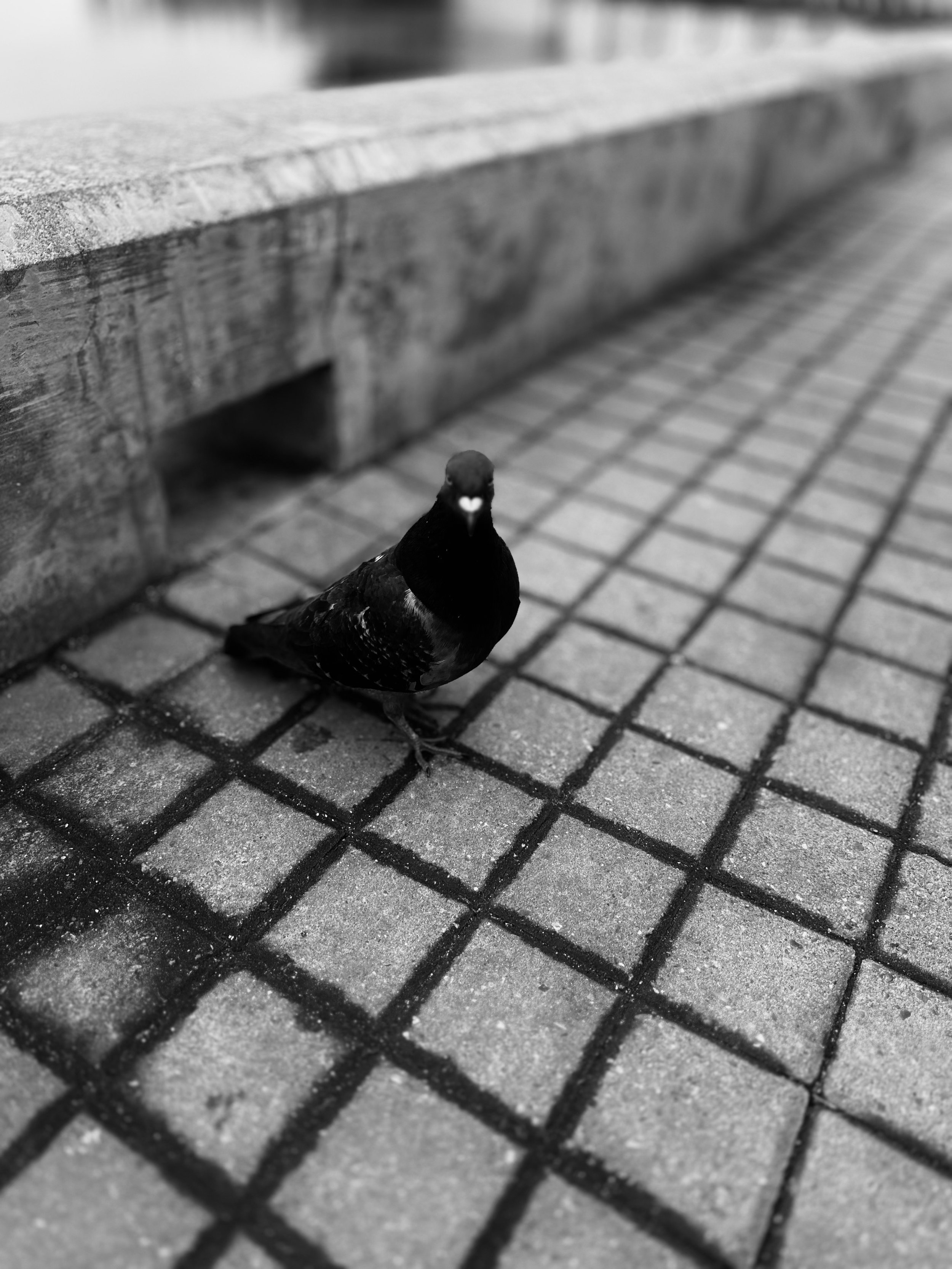
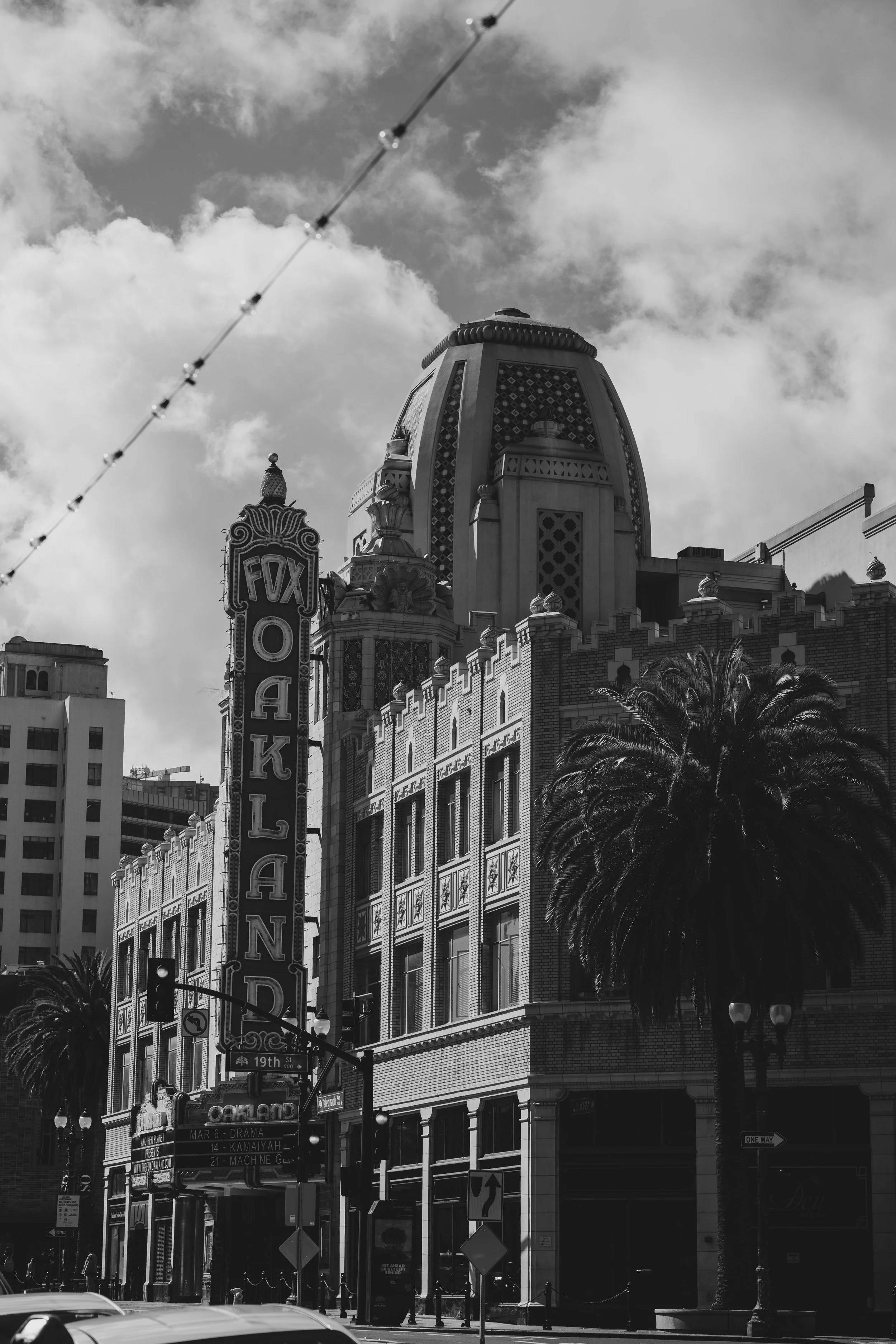
For our digital media class this year, I wanted to center our final project on impact, specifically on what and how things impact individual students. My understanding was that students would leave class and gather their Impact Photos in their own personal spaces. As a photography class, we spend a lot of time outside on photo walks. Somewhere along the way, I realized that the students, the majority of whom are Oakland natives, did not have the connection to, knowledge of, or appreciation for this amazing city that was once (and I'd argue still is), the cultural Mecca of the Bay Area.
As we did these photo walks, designed to focus on teaching the technical aspects of photography, I witnessed students becoming more interested in their community in real-time. I watched them come out of their shells and approach strangers on the street to ask if it was ok to photograph them. Not once were they denied, and as a result, I saw wholesome, organic conversations happen across race, age & gender, class, and/or social status, and even language barriers. I'd say to them, "The most impactful things probably won't happen on Wednesday mornings" (our scheduled class time). They were, however, being heavily impacted. They were seeing the city in a way they had never seen before. They were experiencing their community instead of just observing, navigating, or surviving it. They were finding beauty in things that would have gone unnoticed before these walks and talks we shared. What the project would evolve into is a snapshot of the moment in these students' lives where Oakland became theirs.
When they began to see beyond the often less-than-appealing surface and into the heart and soul of The Town. All photos were captured using smartphone cameras. We chose to photograph in black & white to give it a "documentary" feel and encourage students to focus more on composition than color. We centered 2 sets of b&w images, each around a splash of color. Two of the colored photos feature a worded message, giving the entire project an extra level of cohesion. There is a third colored photo that carries impact in its symbolism and accents the other images well.





West Oakland Middle School
Gabby Le - Visual Arts Instructor | 6th - 8th Grade
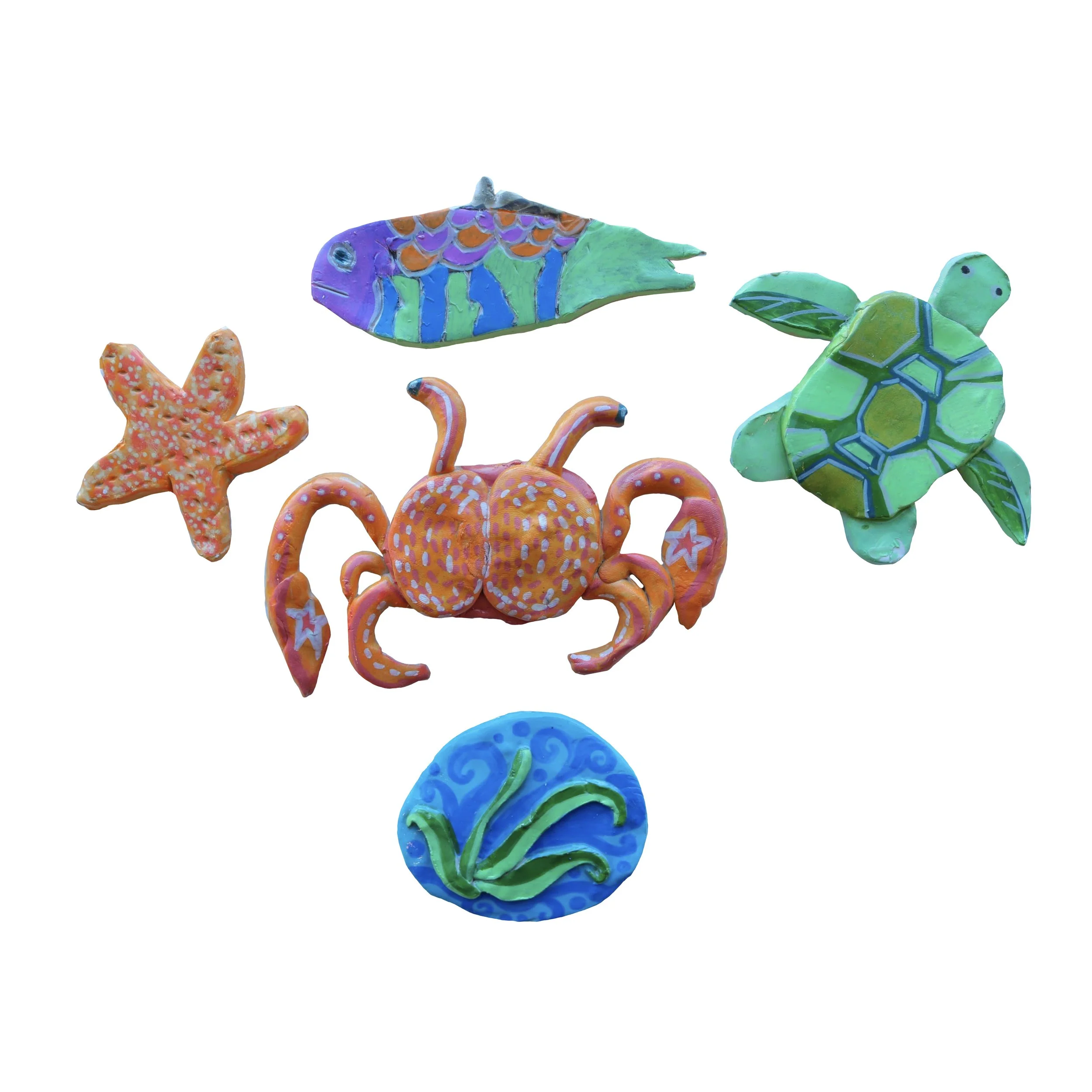
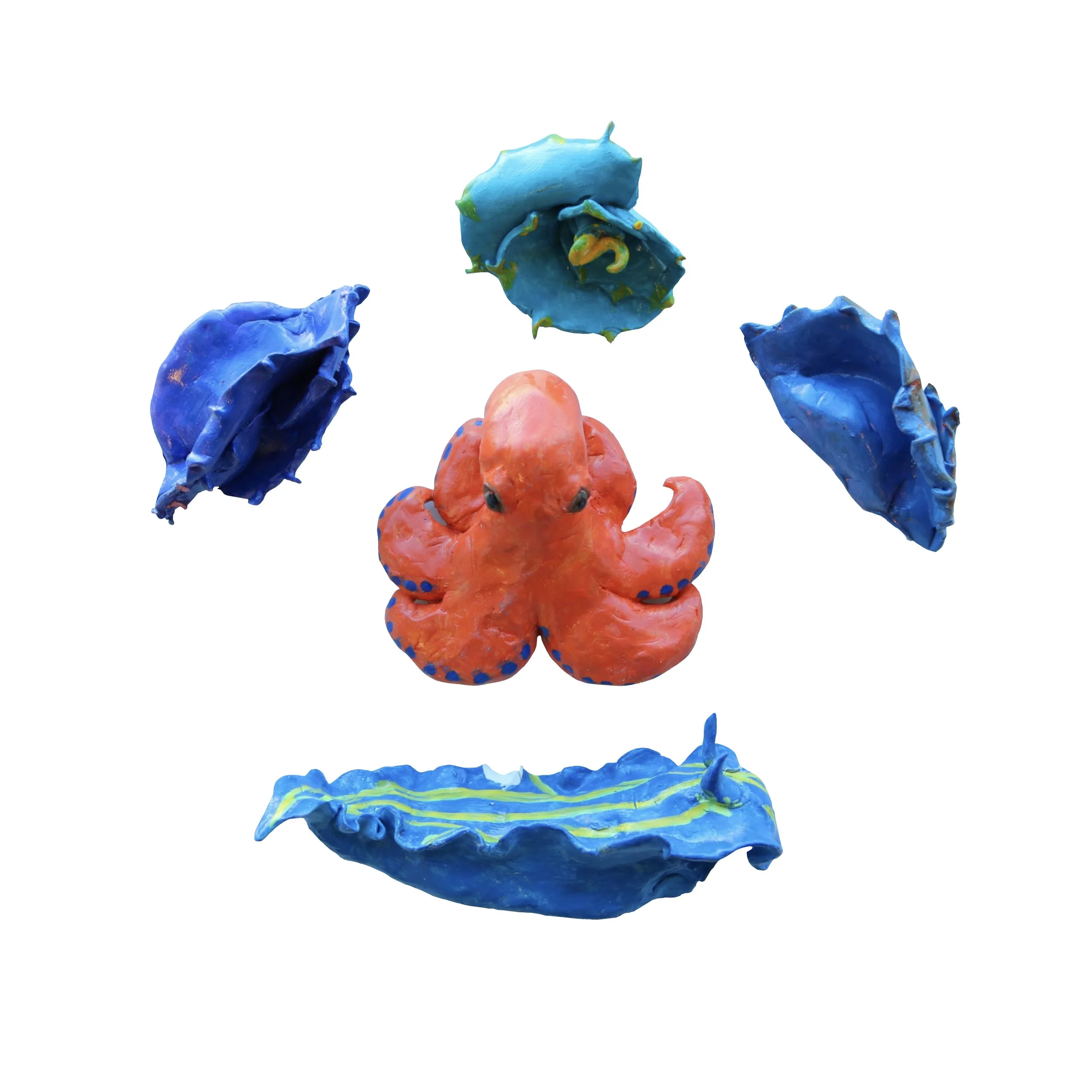
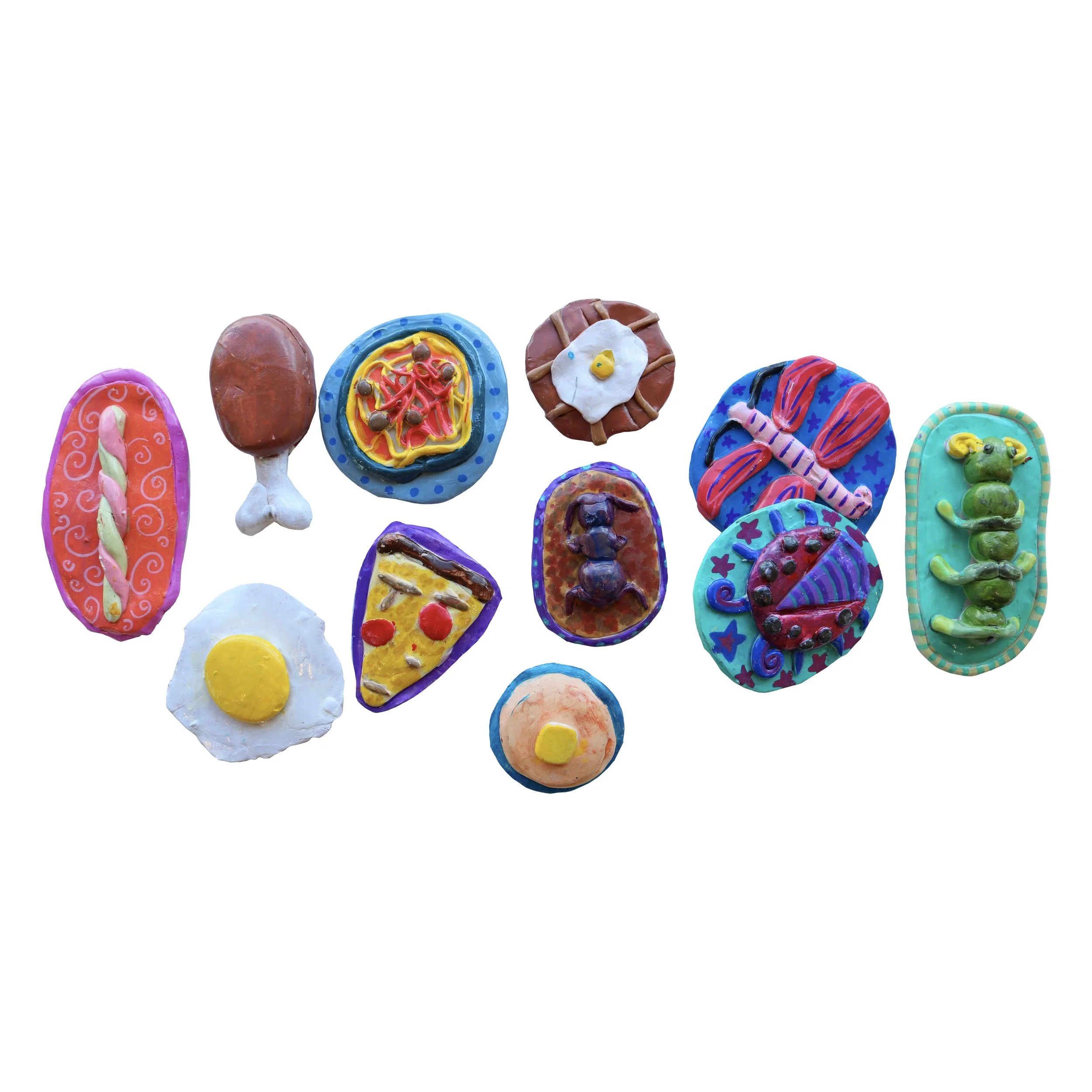
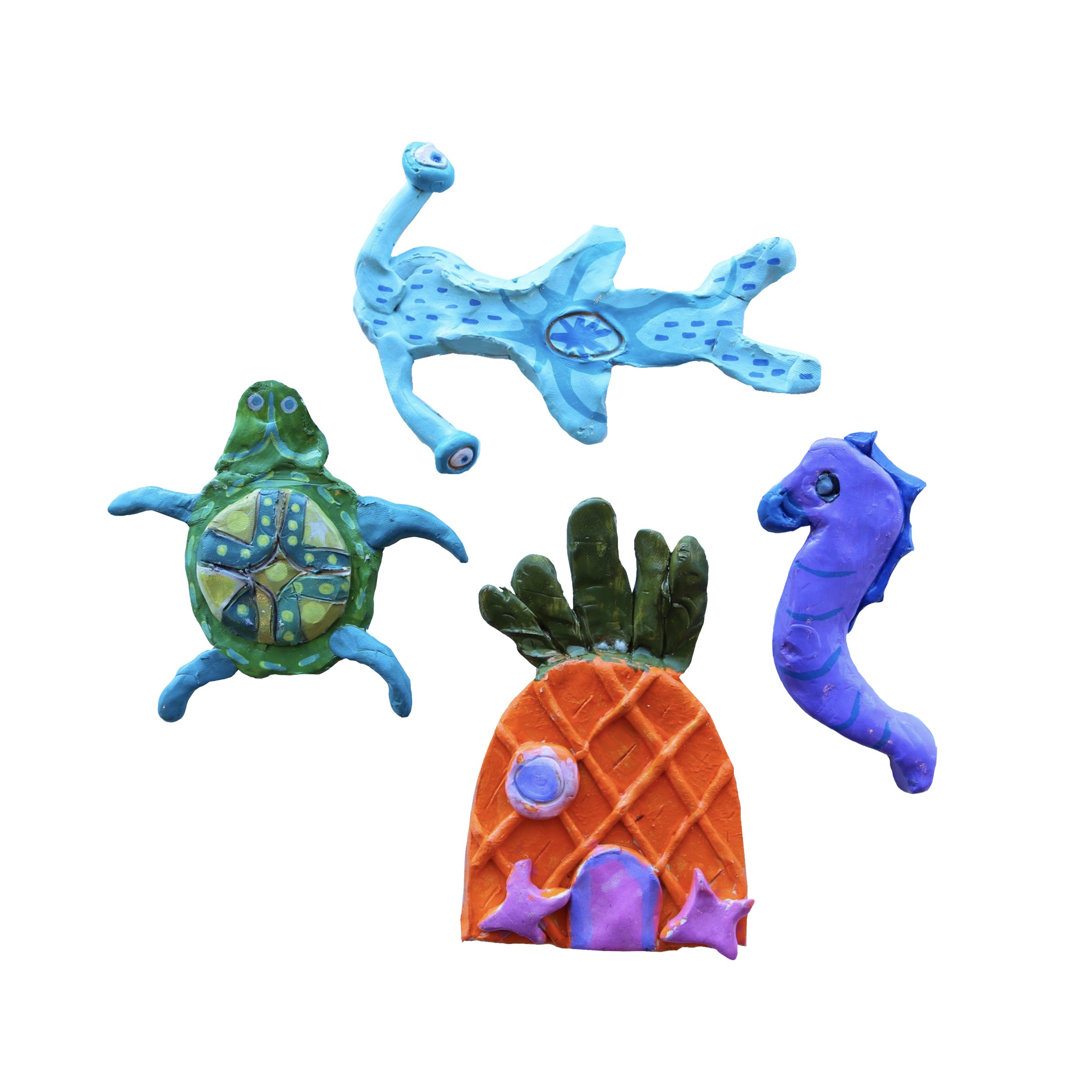
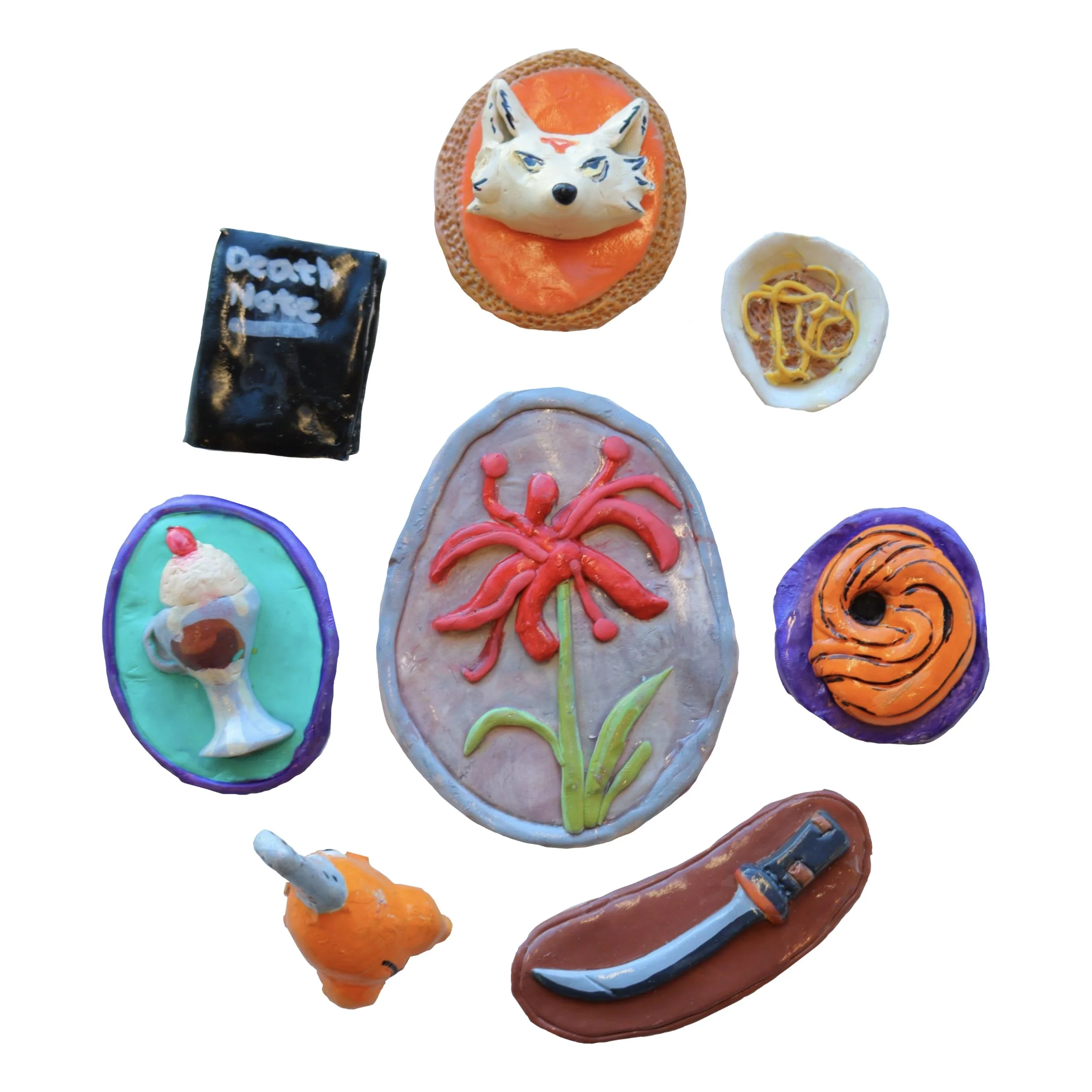
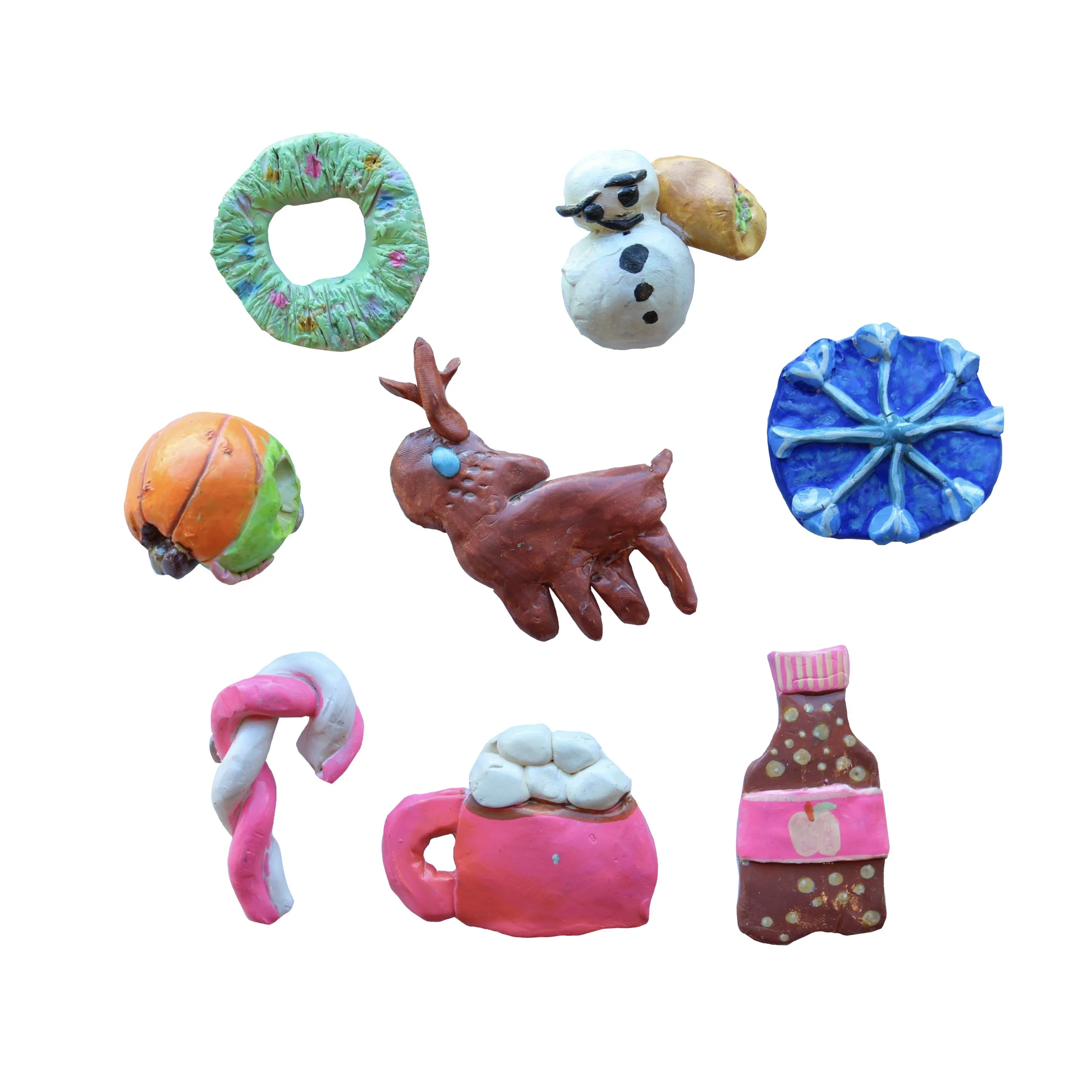
Ecosystems in Miniature (2026)
Sculpey Clay | Paint Markers | Magnets | Super Glue | Polyurethane Varnish
This year, West Oakland Middle School students engaged in a year-long exploration of art through the lens of ecology in our class Creative Ecosystems: An Ecology of Art. Throughout the course, students examined how the elements of art such as color, line, shape, form, texture, space, and value mirror the interconnected systems found in nature and human communities. By grounding our learning in ideas like interdependence, balance, and biodiversity, students developed both technical art skills and a deeper understanding of how relationships shape the world around them.
As part of this exploration, students created Ecosystems in Miniature using Sculpey clay, magnets, paint markers, super glue, and polyurethane varnish. Students began by designing their ideas in an 8-box planning grid, carefully considering how each component would function within a shared ecosystem. They then translated these sketches into 3D relief sculptures, using clay tools to shape, carve, and refine form while experimenting with texture and scale. After baking, students applied color using acrylic paint markers, attached magnets using adhesive, and sealed their work with a protective varnish. This multi-step process required patience, problem-solving, and attention to craftsmanship.
Throughout the project, students practiced key skills including spatial planning, fine motor control, texture-making, and visual storytelling. They were encouraged to think critically about how each element in their ecosystem depends on others, while also making creative choices that reflected their own interests, humor, and lived experiences. This integration of science and art supported students in understanding ecosystems not only as environmental systems, but as models for thinking about community and connection.
Across the year, students moved between drawing, painting, sculpture, and design, building confidence in their artistic voice and their ability to take creative risks. This work emphasizes both technical growth and social-emotional development, as students learn to be patient with themselves, persist through challenges, and take pride in their ideas. Through their final pieces, students demonstrate an understanding that art, like ecosystems, is built on relationships between materials, ideas, the people who create them, and how they touch the communities around them.







The 2025-2026 ArtEsteem program and the 28th Annual ArtEsteem Exhibition was made possible by:
Our wonderful schools and partnering sites
Allendale Elementary School
ArtEsteem’s Afterschool Leadership Cohort, the Legacy Project
Community School for Creative Education
EnCompass Academy Elementary
Greenleaf Elementary School
Hoover Elementary School
Nystrom Elementary School
Stege Elementary School
Oakland Emiliano Zapata Street Academy
West Oakland Middle School
Our amazing ArtEsteem team
Our dedicated ArtEsteem students
Our friends at Studio One Art Center
Delicious donations from Oakland Sprouts and Rockridge Trader Joe’s
And, with endless gratitude, our funders!